Almost every Jura W8 frothing complaint comes back to a dirty fine foam frother. That is not an opinion - it is what Jura’s own troubleshooting table says. Under “insufficient foam is produced when the milk is frothed or milk sprays out of the fine foam frother”, the listed cause is that the frother is dirty, and the listed actions are to clean the milk system and then dismantle and rinse the frother.
So work in that order. Do not start by buying parts.
Symptoms This Covers
- Foam is thin, watery, or made of large collapsing bubbles
- Milk sprays, spits or splutters out of the frother
- Milk is drawn slowly, or intermittently
- Little or no milk or steam comes out at all, and the pump sounds unusually quiet
- Visible residue or crust around the frother outlet
Step 1: Run a Correct Milk System Cleaning
Before anything else, confirm the daily cycle has actually been running and running properly. On the W8 the milk system must be cleaned daily if milk has been prepared.
Two things commonly go wrong here without the owner realising:
- The prompt is being missed. If milk was prepared before switch-off, the W8 asks for a milk system cleaning and then continues shutting down after 30 seconds. Blink and it is gone.
- The cycle is being run without cleaner, or with the container positioned wrong, which makes it a rinse with extra steps.
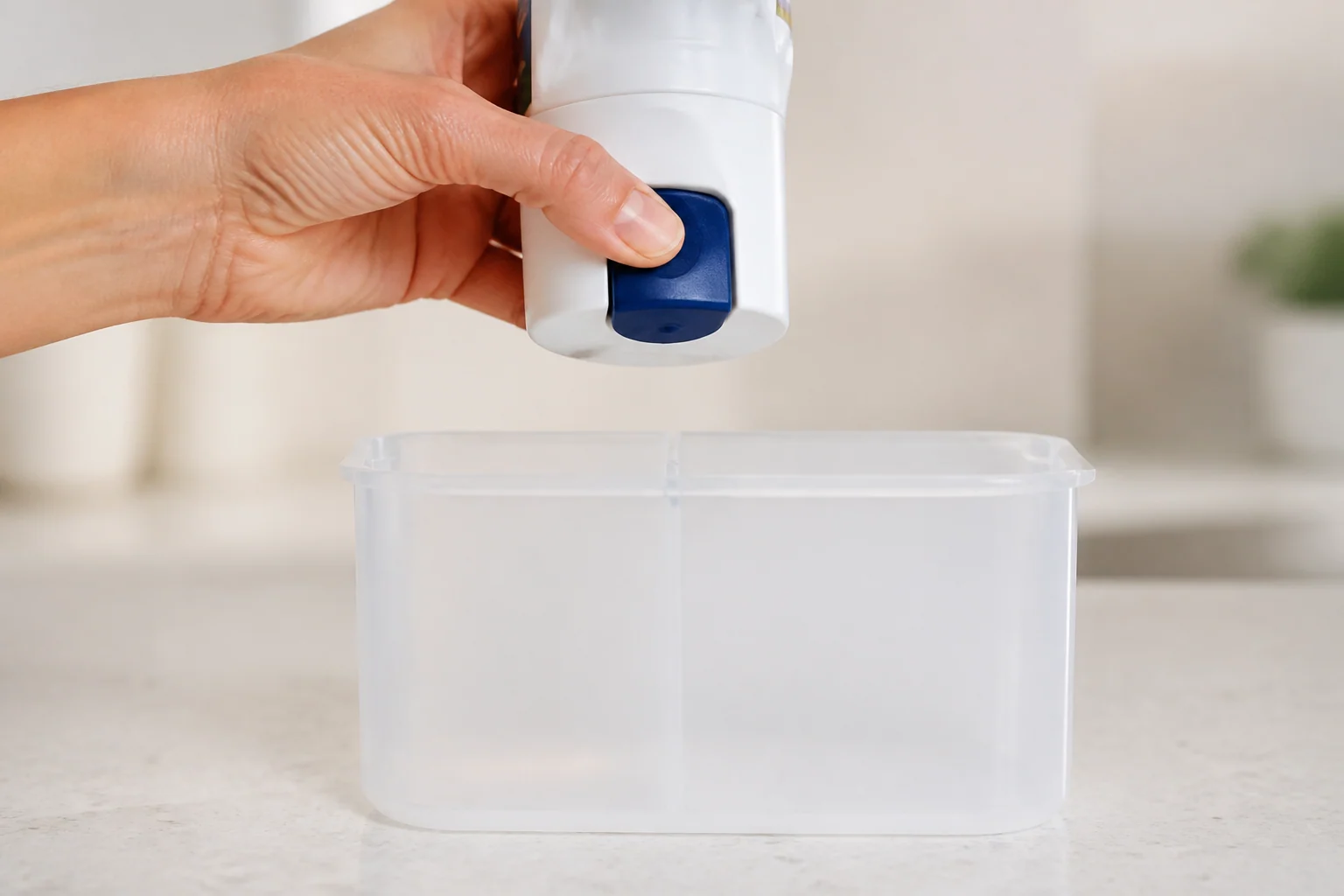
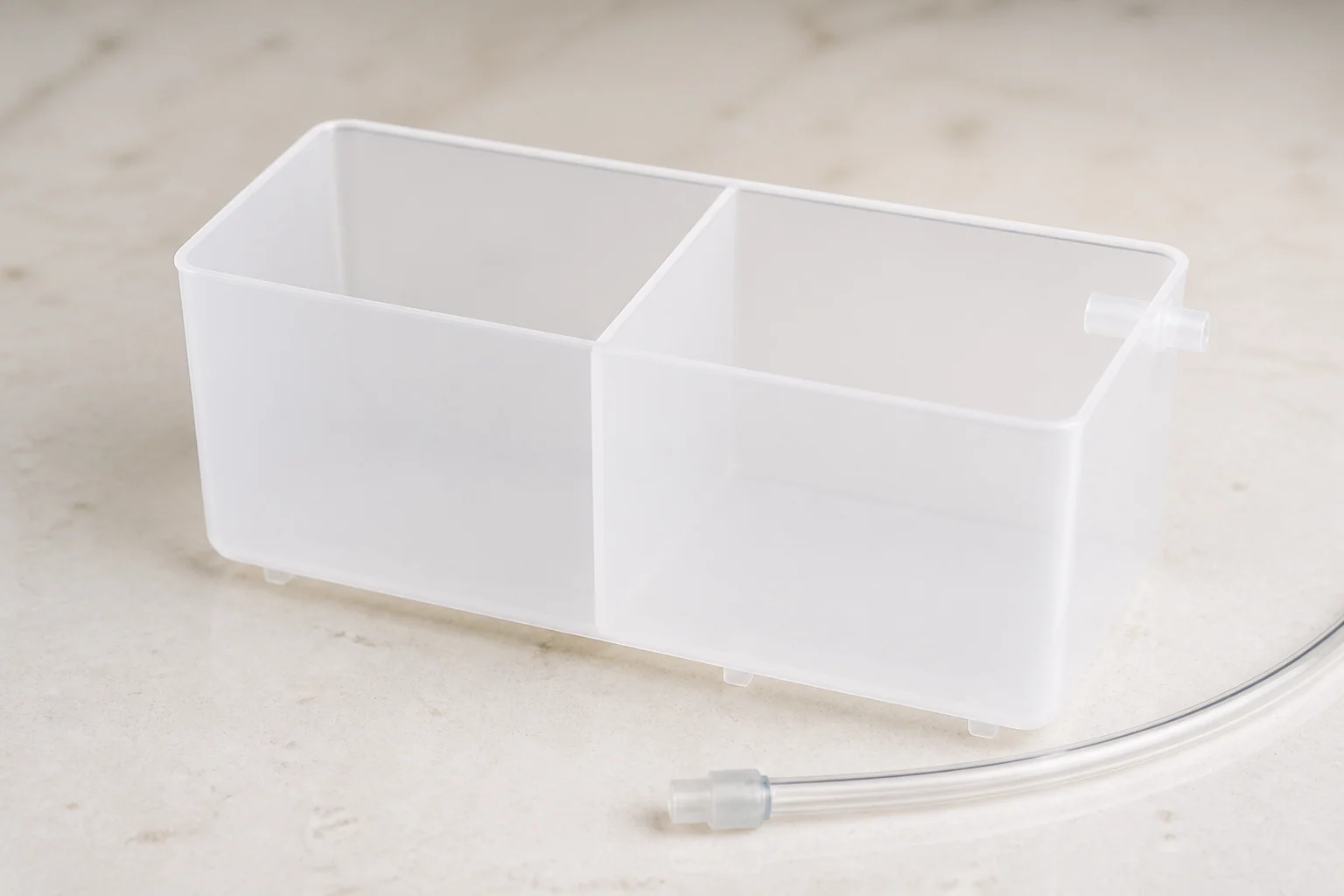
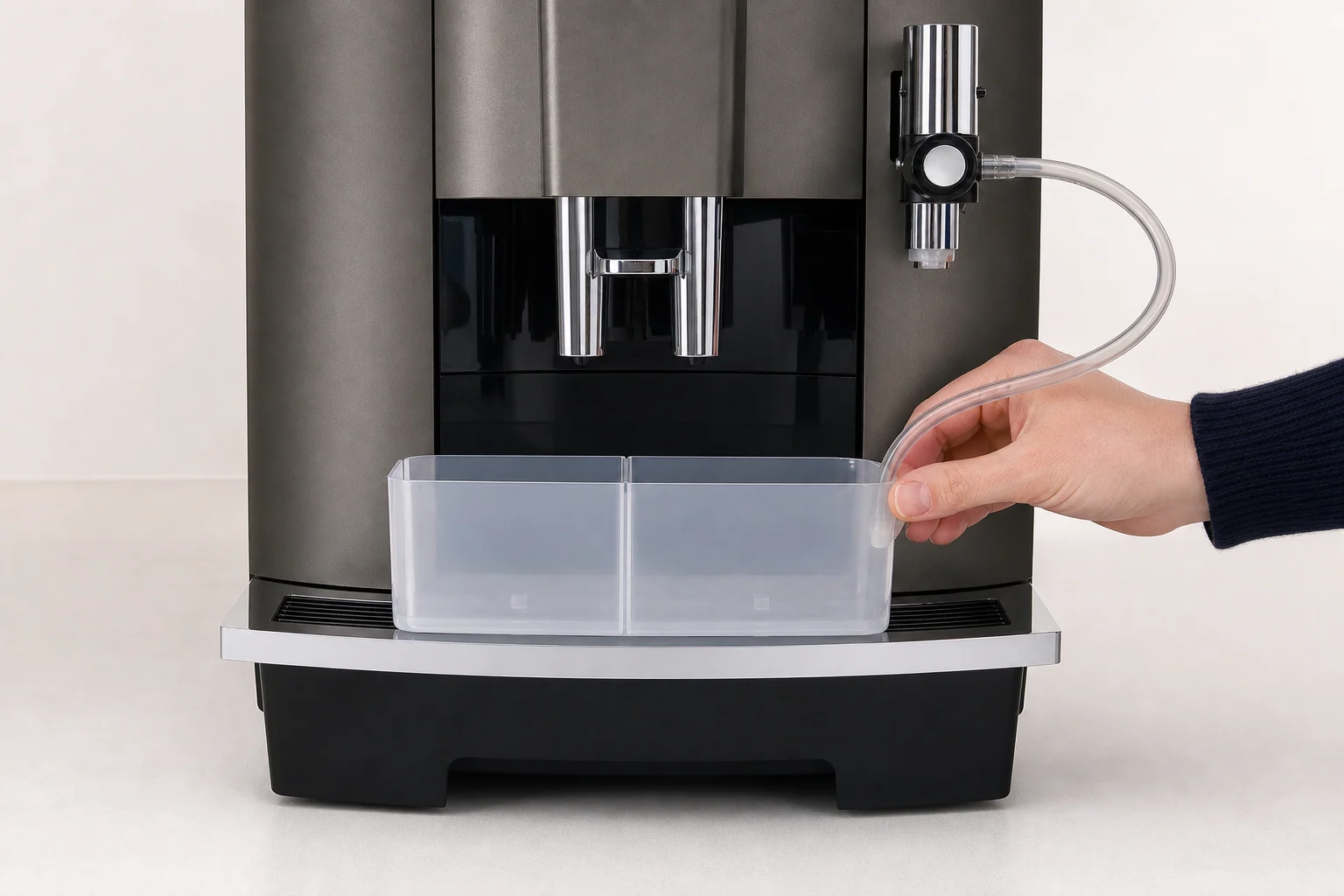
Run it properly once: one dosing unit into the supplied container, container under the hot-water spout and the fine foam frother, milk pipe connected. Full walkthrough in how to clean the Jura W8 milk system.
If foam recovers, you are done. If not, continue.
Step 2: Dismantle and Rinse the Fine Foam Frother
Jura recommends this weekly as routine, and immediately when foam quality drops. It is the step that reaches what the automatic cycle cannot.
- Remove the milk pipe and rinse it thoroughly under running water.
- Remove the fine foam frother from the machine.
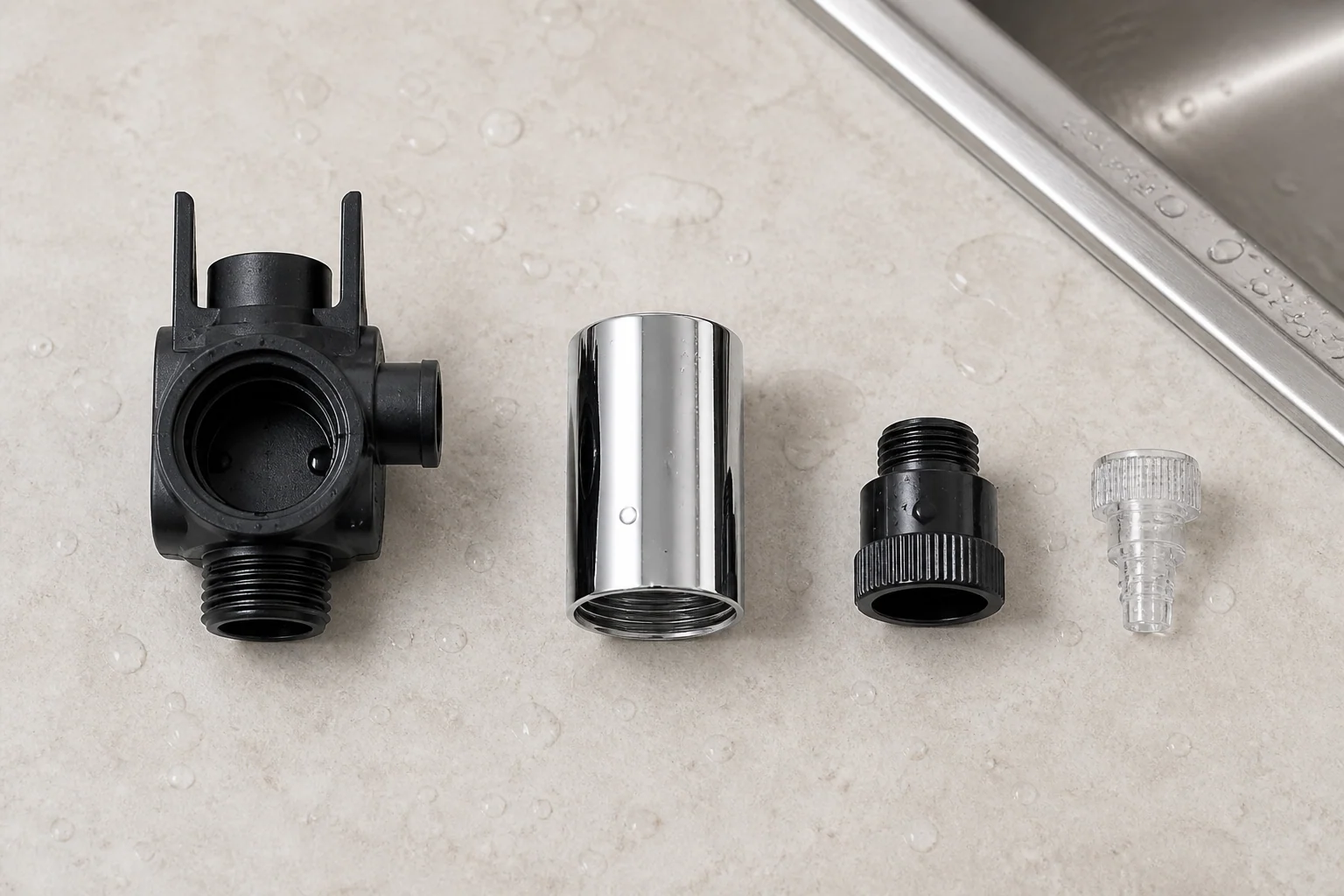
- Dismantle it into its individual parts.
- Rinse every part under running water. If there are severely dried-on milk residues, first immerse the individual parts in a solution of 250 ml of water and one dosing unit of Jura milk system cleaner, then rinse them thoroughly.
- Reassemble the frother, making sure all parts are correctly and firmly connected. Jura calls this out specifically, because a part seated loosely will pull air and produce exactly the thin foam you are trying to fix.
- Refit the frother on the milk system.
That 250 ml soak is the only place in the W8 manual where a water quantity is paired with a dose of cleaner. It belongs here, to hand-soaking dismantled parts. It is not something you pour into the cleaning container during the automatic cycle.
Used In Both Steps
Jura Milk System Cleaner
One dosing unit for the automatic cycle, and one dosing unit in 250 ml of water for soaking dismantled frother parts. Same product, two jobs.
Step 3: The Blocked Connector Fix
If little or no water or steam comes out of the fine foam frother and the pump is very quiet, the manual points at a specific part: the connector of the fine foam frother, blocked either by milk residue or by limescale fragments loosened during a descaling cycle.
The fix uses a tool you already own:
- Remove the fine foam frother.
- Unscrew the black connector using the hexagonal hole on the ground coffee measuring spoon. The spoon is designed as the tool for this.
- Clean the connector thoroughly.
- Screw it back on tightly by hand.
This is worth knowing because the symptom looks like a pump failure and reads as a service call. It usually is not.
Step 4: Check the Consumables
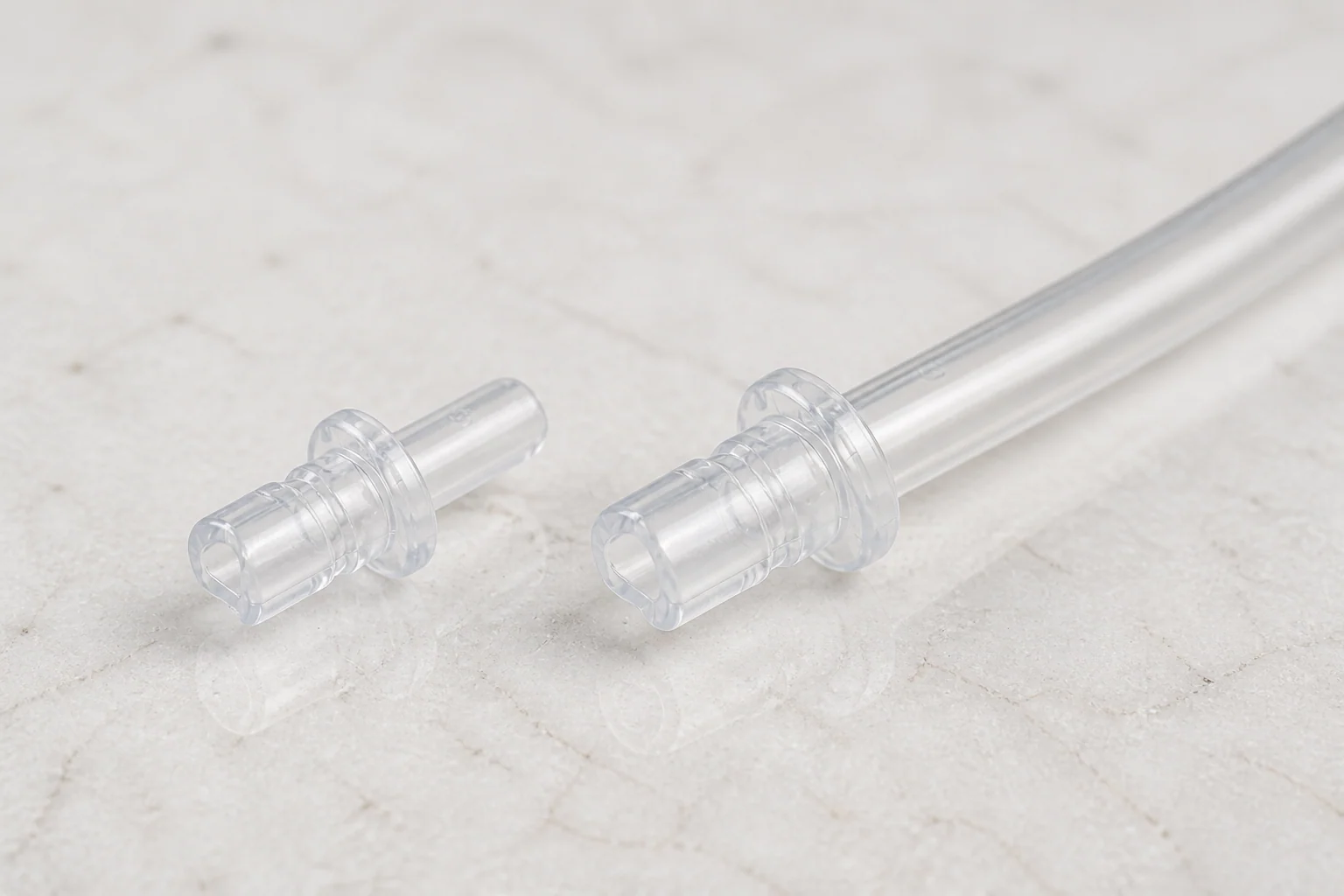
If cleaning has not fixed it, the next suspects are parts Jura already expects you to replace on a schedule.
The W8 maintenance table lists the milk pipe with connector HP3 and the interchangeable CX3 milk spout at approximately every three months. These are consumables, not permanent fittings.
What to look for:
- Hardened or cracked pipe. Silicone stiffens with age and heat. A hairline crack anywhere along its length introduces air, and air in the line produces sputtering and thin foam no matter how clean everything is.
- Deformed pipe ends. If the ends have lost their shape, they will not seal at the connector or at the container.
- A pipe without an HP3 connector. Generic replacements may not carry the right connector, which also means it will not connect to the cleaning container correctly.
- A worn CX3 spout. Same logic, different part.
If the pipe is more than a few months old and the machine sputters, replace it before assuming anything worse.
Approx. Every 3 Months
Milk Pipe with HP3 Connector
The consumable most owners never replace. Check the connector type matches HP3 before buying.
Check Price →Daily
Jura Milk System Cleaner
Keeps the frother from getting to this point in the first place.
Check Price →Step 5: Stop and Call Service
If you have run a correct cleaning cycle, dismantled and rinsed the frother, cleaned the connector, and checked or replaced the pipe and spout, and milk still is not drawn or frothed properly, that is the end of user maintenance.
Do not go further into the machine. The W8 is a professional-line appliance and the next layer is not owner-serviceable. Contact Jura or an authorised service partner. Tell them what you have already done - it saves diagnostic time and it rules out the things they would otherwise start with.
Repair Service
Need a Jura Repair Technician?
Tell us your machine, the problem, and your location. We will look for an experienced repair technician who covers your area. There is no obligation to proceed.
Do Not Do These
- No vinegar, no dish soap, no household cleaner anywhere in the milk circuit. Both attack the seals and leave residue in a line your milk passes through.
- No extra cleaner to compensate for a dirty system. Jura specifies one dose, and physical residue needs physical removal.
- Do not skip the reassembly check. A loosely seated frother part is a classic cause of “I cleaned it and now it is worse”.
Where to Next
- How to clean the Jura W8 milk system - the daily cycle done correctly
- Jura W8 maintenance schedule - what else is due and when
- Using the milk cleaning container - setup for the cleaning cycle
- What one dosing unit means - the dose used in both the cycle and the soak
- Cleaning tablets vs milk system cleaner - which product goes where
- W8 maintenance troubleshooting - prompts and common questions
- Jura milk system guide - HP2 vs HP3 and foam optimisation across the range
- Jura milk frother not working - the same problem across other Jura models
Sources
- Jura W8 instructions for use (PDF) - chapter 5 maintenance actions, chapter 7 “Dismantling and rinsing the fine foam frother”, chapter 9 troubleshooting