The honest answer: 7-10 years with consistent maintenance. Well-maintained machines regularly reach 15 years or more. Neglected machines - ones that skip cleaning and descaling - often develop serious problems by year 3 or 4. The difference is almost entirely maintenance, not build quality. Jura machines are mechanically sound; what kills them early is entirely preventable.
Start here if you want to protect your machine right now. These three products do the most to extend lifespan:
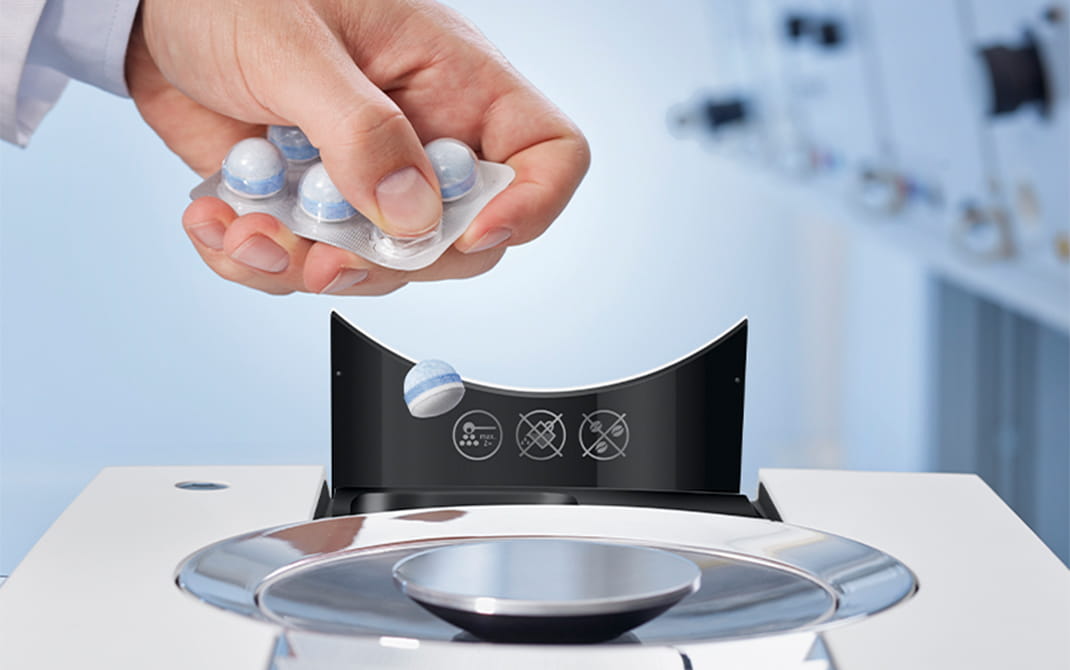
Jura Cleaning Tablets
Removes coffee oil from seals and the brew group. The single most important maintenance item.
Check Price →Jura Descaling Tablets
Limescale is the leading cause of thermoblock failure. Use Jura-branded tablets for correct chemistry.
Check Price →Jura CLARIS Filter
Softens water before it reaches the thermoblock. Critical in hard-water areas.
Check Price →Lifespan by Component
Not every part of a Jura wears at the same rate. This is what to expect from each major component under normal home use (3-5 drinks per day):
| Component | Expected Lifespan | Notes |
|---|---|---|
| Brew group | 10-12 years | Heart of the machine. Seals wear gradually - replaceable |
| Ceramic grinder burrs | 20,000-30,000 cups (5-8 years daily) | Long-lasting. Older steel burr models: ~10,000 cups |
| Thermoblock | Rarely fails if descaled | Most failures trace to scale buildup, not the part itself |
| Pump | 8-12 years | Scale buildup puts excess pressure on it - descaling protects it |
| Display / electronics | 10-15 years | Rarely the failure point |
| Milk system seals | 3-5 years with daily use | Replaceable. Require thorough rinsing after each session |
The brew group and thermoblock are the two most expensive components to replace. Both are almost entirely protected by regular maintenance.
What Shortens Lifespan
These five habits cause most early failures:
1. Skipping cleaning tablet cycles
Coffee oils build up on the brew group seals, piston, and internal flow paths after every shot. Over time, hardened oil deposits create friction, cause the piston to stick, and eventually crack seals. Jura recommends a cleaning cycle every 200 brews - about monthly for a household making 5-6 drinks per day. The cycle takes roughly 10 minutes and is fully automated. There is no reasonable excuse to skip it.
2. Ignoring or delaying descaling
Limescale is the single biggest killer of Jura thermoblocks. When scale accumulates in the heating element, it insulates the heating surface, forces the element to run hotter, and eventually causes it to crack or burn out. The machine will prompt you - do not ignore it. In hard-water areas, you may need to descale every 6-8 weeks, not every 3 months.
3. Using oily or flavored beans
Very oily dark roasts and artificially flavored beans leave residue that fouls grinder burrs, clogs the bean chute, and accelerates buildup in the brew group. Medium to medium-dark dry roasts are ideal. If you prefer dark roasts, run the cleaning cycle more frequently - every 150 brews rather than 200.
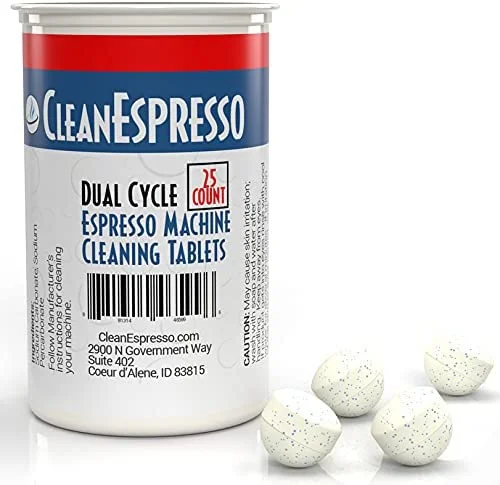
4. Using non-Jura cleaning or descaling tablets
Jura’s cleaning tablets are formulated specifically for the materials inside these machines. Generic alternatives can have the wrong pH or leave residue in precision flow channels. The same applies to descaling tablets - the chemistry matters. Using the wrong product is worse than skipping maintenance occasionally.
5. Tap water without a CLARIS filter in hard-water areas
If your tap water is hard (above 7 gpg or 120 mg/L), running it straight through the machine without a CLARIS filter deposits scale much faster than the standard maintenance schedule accounts for. The CLARIS filter reduces mineral load significantly and extends time between descaling cycles. Check your local water hardness - if it is high, the filter is not optional.
What Extends Lifespan
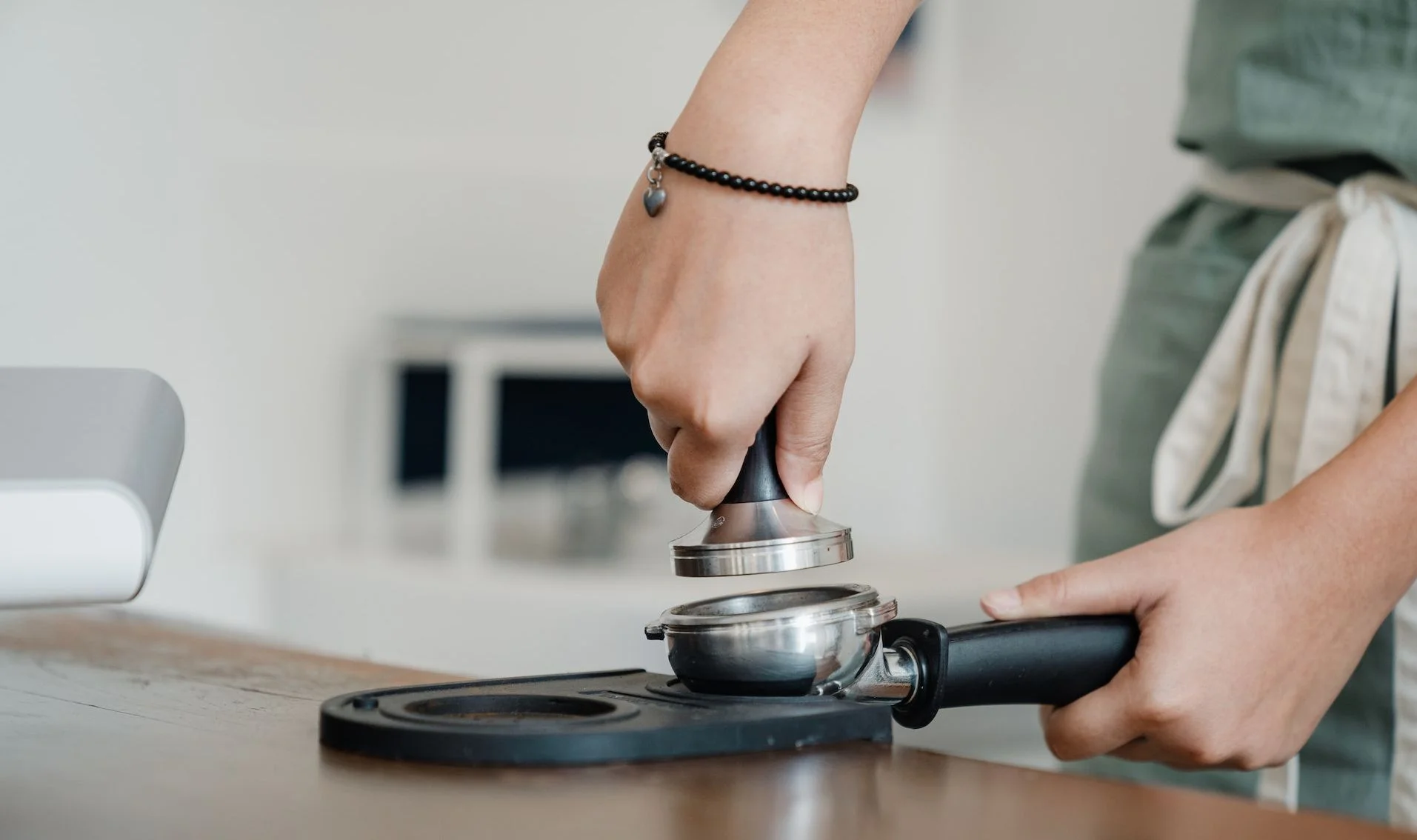
This maintenance schedule is what gets machines to 10-15 years:
| Task | Frequency | Time Required |
|---|---|---|
| Rinse milk system | After every milk session | 15-30 seconds |
| Cleaning tablet cycle | Every 200 brews (monthly in most households) | 10 minutes |
| CLARIS filter replacement | Every 2 months | 2 minutes |
| Descaling | Every 2-3 months (or per machine prompt) | 25-30 minutes |
| Milk system deep clean | Every 2-3 months | 10 minutes |
The cleaning tablet cycle and descaling are non-negotiable. Everything else is a multiplier. Machines that get all five consistently are the ones that reach 12-15 years.
For a full maintenance calendar with reminders, see the Jura cleaning schedule guide.
Most Important Maintenance Item
Jura Cleaning Tablets
Every 200 brews, no exceptions. Protects seals, the brew group piston, and internal flow paths from hardened coffee oil buildup.
When to Repair vs Replace
Repair costs from Jura authorized service centers in the US typically fall in these ranges:
| Repair Type | Typical Cost | Worth It? |
|---|---|---|
| General service / diagnostics | $150-200 | Almost always |
| Brew group seal replacement | $200-350 | Yes, if machine is under 8 years |
| Pump replacement | $180-280 | Yes, if machine is under 7 years |
| Thermoblock replacement | $300-450 | Depends on machine age and condition |
| Full refurbishment | $400-600 | Only on newer or high-end models |
Decision framework:
- Machine is under 5 years old with a single issue: repair it. Jura’s service network is good and parts availability is strong for current models.
- Machine is 5-8 years old with a single contained issue (pump, brew group seals): repair is usually worth it if the rest of the machine is sound.
- Machine is 6+ years old with recurring grinder faults, thermoblock issues, AND pump problems: you are likely looking at $500-700+ in combined repairs. At that point, replacement makes more financial sense.
- Machine is over 10 years old with a major component failure: replace. Parts availability for very old models is limited, and labour costs alone often exceed replacement value.
The fill beans error is a common early symptom on aging machines - the grinder sensor or chute becomes fouled. See the fill beans error fix guide to rule out a simple fix before calling for service.
Repairability and Serviceability: What You Can Fix Yourself (and What You Cannot)
Lifespan is only half the durability story. The other half is what happens when a part does wear out - who is allowed to fix it, what that costs, and how long the machine is out of action. Here Jura made a deliberate design choice that shapes the entire ownership experience, and it is worth understanding before you commit to the brand.
Jura’s sealed brew group and the factory-service model
Jura builds its machines around what it markets as a zero-maintenance brewing unit with self-cleaning at the touch of a button. In plain terms: the brew group is fixed inside the machine. You never remove it, never rinse it in the sink, and never replace its seals yourself. The tablet cleaning cycle IS the brew group maintenance - it flushes coffee oils out of the sealed unit with hot water and detergent, which is exactly why skipping it is so damaging. There is no manual backup plan, no “just pull it out and scrub it” option. Jura’s answer to the obvious hygiene question is independent certification: the company points to TÜV Rheinland testing of its integrated cleaning programs rather than user access.
The consequence follows directly: when brew group seals, the pump, or the thermoblock eventually wear, the machine goes to a professional. In the US that means Jura’s own factory service program or an authorized third-party center - our authorized repair centers guide breaks down how each works and what it typically costs. Two structural points matter for lifespan planning:
- Factory service is a refurbishment, not a spot fix. Jura’s US factory program does not do partial repairs - the machine comes back with most wear components replaced. That makes the flat cost feel high for a single fault but good value when several parts are near end of life.
- Service is mail-in, so downtime is measured in weeks. Our repair centers guide puts typical factory turnaround at 2-4 weeks. If daily coffee matters to your household, that downtime is part of the real cost of a repair.
Jura does not publish consumer parts diagrams, and internal parts flow through the service network rather than an open retail parts market. Opening the housing yourself typically voids the warranty on an in-warranty machine.
What owners can and cannot do themselves
Based on what Jura’s own manuals and support materials describe, the owner-serviceable surface of a Jura machine looks like this:
| Owner can do (per the manual) | Service center only |
|---|---|
| Run cleaning and descaling programs | Remove or open the brew group |
| Replace the CLARIS water filter | Replace brew group seals or the piston |
| Clean and replace milk system parts and O-rings | Replace the pump or thermoblock |
| Empty and rinse the drip tray and grounds container | Repair grinder motor or electronics faults |
| Adjust grind coarseness; wipe out the bean hopper | Any repair requiring the housing to come off |
The milk system is the one genuine DIY repair zone: O-ring and milk-line replacement kits are inexpensive and the repair vs replace guide covers when a home fix is worth attempting before booking service.
How the rest of the market handles this
This is where competitors honestly win, and the gap is real:
- DeLonghi ships a removable brew unit. DeLonghi’s official maintenance instructions tell owners to take the brew unit out and rinse it under tap water at least monthly. Worn units are a replaceable part, and third-party parts suppliers stock DeLonghi components widely. Our Jura vs DeLonghi comparison already calls this verdict: if repairability matters significantly to you, DeLonghi has the edge.
- Prosumer semi-automatics are built on open commercial standards. Machines like the Rancilio Silvia line use 58 mm portafilters and standardized groups (E61 on many prosumer machines), with published parts diagrams available from commercial parts distributors - you can look up an exploded view of a Silvia and order the exact gasket by part number. A handy owner replaces most wear parts at the kitchen table for tens of dollars. We cover this trade-off in depth in the super-automatic vs semi-automatic guide.
If user-repairability is in your top three buying criteria, the honest advice from a Jura-focused site is that Jura is the wrong brand for you. What you get in exchange for the sealed design is the one-touch automation and self-cleaning that make the 7-10 year lifespan achievable with discipline instead of mechanical skill.
How repairability changes the lifespan math
Take the most common aging fault - worn brew group seals somewhere around year 6-8 - and run it through three ownership models:
| Ownership model | Who clears the fault | Cost profile | Downtime |
|---|---|---|---|
| Jura super-automatic | Authorized or factory service | Professional labor floor on every repair (see cost table above) | Weeks (mail-in) |
| DeLonghi super-automatic | Owner rinses or swaps the removable brew unit; service for deeper faults | Third-party parts market keeps costs lower | Minutes to days |
| Prosumer semi-automatic | Owner, with ordered parts | Gaskets and screens in the tens of dollars | An afternoon |
This reshapes the repair-vs-replace framework above in two ways:
- Jura’s “not worth fixing” point arrives earlier in dollar terms. Because every internal repair carries professional labor, a Jura hits the repair-cost-approaches-replacement-cost threshold sooner than a machine with near-zero marginal repair cost. A prosumer machine almost never reaches that point, which is why well-kept examples run 15-20 years. Realistically, the 7-10 year Jura estimate assumes you accept one professional service somewhere in years 5-8 - budget for it as part of the ownership cost. Our Jura cost-per-cup and resale value analysis folds that service bill into the full ownership math, including the 30-50% resale value a well-kept machine holds after 5 years.
- The failure modes are different, not just the costs. The prosumer path fails through neglected manual cleaning and unperformed DIY jobs. The Jura path fails through skipped tablet and descaling cycles. Jura effectively traded wrench skills for routine discipline: if you reliably run the automated maintenance, the sealed design is a non-issue for a decade; if you will not, no amount of theoretical repairability would have saved the machine anyway.
If You Are Replacing: Why the E8 Is the Right Upgrade
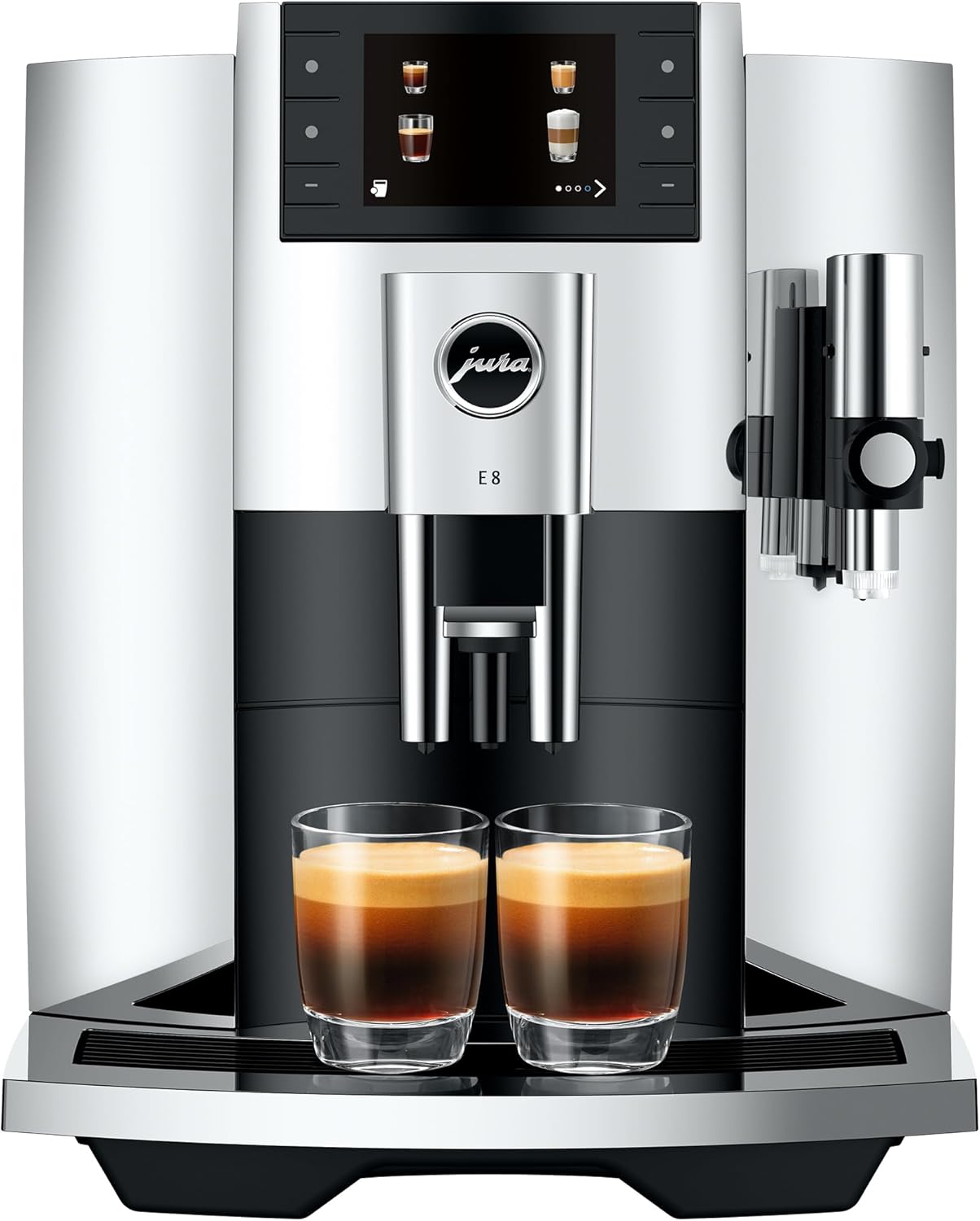
If your current machine is 6+ years old and developing problems, the upgrade path is clear - and if you want to weigh every current series before committing, the Jura buying guide covers the whole lineup. The Jura E8 is currently the best value in Jura’s lineup - it sits above the E6 in build quality without the price of the Z or GIGA series. If you are weighing the E6 against the E8, that comparison breaks down exactly what the E8 adds - both are current models sold new.
Key reasons the E8 makes sense as an upgrade:
- Ceramic G3 grinder burrs rated for 20,000+ cups - roughly 8-10 years of daily household use before showing wear
- 17 one-touch specialties including fine-foam milk drinks
- PEP (Pulse Extraction Process) for proper ristretto and espresso extraction
- Jura’s current thermoblock design with improved descaling access
- Large 64g bean hopper and 40-oz water tank for lower-maintenance daily use
Best Value Upgrade
Jura E8 - Current Generation
Ceramic burrs rated for 20,000+ cups, 17 specialties, and the best feature-to-price ratio in the current Jura lineup. Read our full review or check the current price.
Read the full Jura E8 review for a detailed breakdown of what changed versus older generations.
Model-Specific Lifespan Notes
Impressa series and older ENA models (pre-2015)
These machines regularly reach 12-15 years in households that maintained them properly. The build quality was solid, and many Impressa owners report still using them daily with no major repairs beyond a brew group seal replacement. If you own one and it is running well, keep going - there is no need to replace a functioning Impressa. For model-specific maintenance guidance, see our Jura Impressa J9 review and guide.
Current ENA, E, and S series (2018-present)
The ceramic grinder burrs introduced across current models are a meaningful durability improvement over the steel burrs in older machines. Ceramic holds its edge longer, resists heat-related wear, and does not corrode. Machines in this generation should perform well for 10+ years with the standard maintenance schedule.
GIGA series (dual-bean, dual-thermoblock)
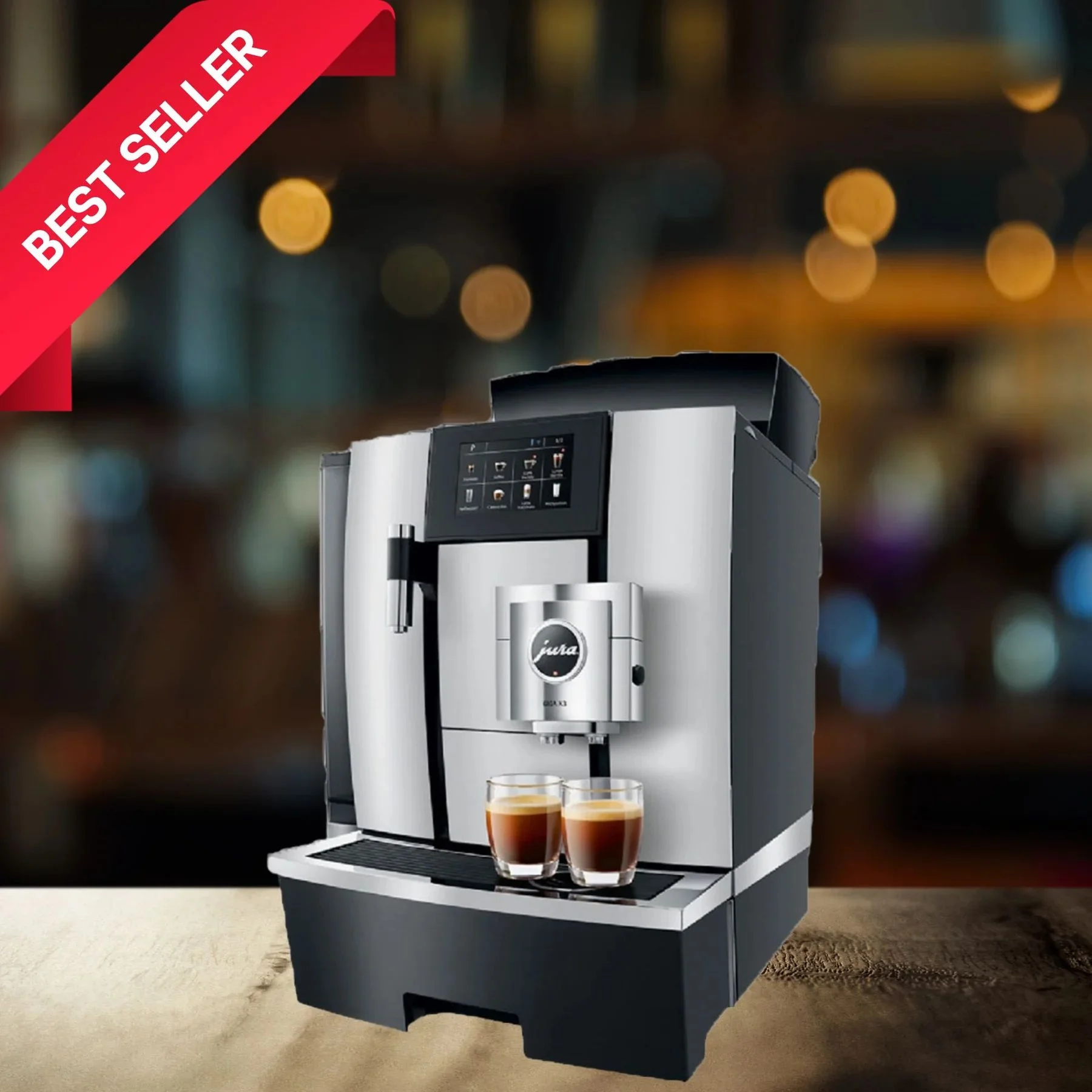
More complexity means more potential failure points, but also more redundancy. GIGA machines are built for high-volume use and sized accordingly. With consistent maintenance, GIGA owners commonly report 10-12 year lifespans. Repair costs are higher when something does fail.
Z series
Premium build throughout. The Z10 and older Z models are among the longest-lasting Jura machines when properly maintained. The fine-foam milk system requires more attention than simpler systems, but the core espresso mechanism is very robust.
How Long Is the Jura Warranty?
In the US, Jura covers new household machines for 2 years or 6,000 brew cycles, whichever comes first, per Jura’s published warranty policy. That 6,000-brew cap is worth noticing: it works out to roughly 8 drinks per day sustained for the full 2 years, which tells you the duty cycle Jura designed these machines around. The warranty covers manufacturing defects, not wear items like CLARIS filters or milk system O-rings, and damage traced to skipped descaling or off-brand descaler chemistry is a common denial reason - one more argument for keeping to the schedule in our descaling frequency guide. Register the machine and keep your receipt so out-of-warranty pricing never gets applied to an in-warranty fault.
How Many Cups a Day Can a Jura Machine Handle?
Household Jura models (ENA, E, S, and Z series) are built for roughly 3-8 drinks per day; sustained volume beyond that is GIGA or professional X series territory. Two spec-sheet signals back this up: the warranty’s 6,000-brew cap averages out near 8 drinks per day, and the ceramic grinder’s 20,000-plus-cup rating assumes household pacing. The machine will not refuse to make a twelfth cup - but heavy use compresses the entire maintenance calendar. At 20 drinks per day, the 200-brew cleaning cycle comes due every 10 days instead of monthly, and descaling intervals shrink to match. For genuine office volume, start with the Jura GIGA 6 review or our bean-to-cup machines for office use guide.
What Are the Signs a Jura Machine Is Wearing Out?
The earliest warnings are thinning crema, drinks arriving cooler than they used to, a louder or slower grinder, and water pooling in the drip tray between uses. Each maps to a component: fading crema and falling temperature usually point to scale in the thermoblock or tired brew group seals, new grinder noise means the burrs are dulling, and unexplained water means a seal has started to weep. One symptom alone is normally a maintenance issue you can clear at home; two or three appearing within a few months of each other is the pattern that precedes a service visit. Work through the Jura troubleshooting guide first, and check the maintenance indicators guide to rule out an overdue cycle before assuming wear.
Should You Turn a Jura Off at Night?
Yes - switch it off at the end of each day, or let the programmable auto switch-off do it for you. Leaving the machine powered around the clock keeps the thermoblock cycling to hold temperature, adding heating hours and energy cost for zero benefit: a thermoblock reheats from cold in well under a minute, so there is no morning warm-up penalty. Daily power cycles do not stress the electronics either - Jura has shipped automatic switch-off as a standard feature for decades, so the design assumes exactly this usage. Set the auto-off timer to an hour or less after your last usual drink and forget about it.
Do Jura Machines Last Longer Than DeLonghi or Breville?
Jura and DeLonghi are effectively tied at 7-10+ years of well-maintained daily use, while Breville super-automatics generally cluster toward 5-10 years in owner reports. The more meaningful difference is how those years are achieved: DeLonghi owners rinse or swap a removable brew unit themselves, while Jura relies on automated tablet cycles plus occasional professional service, as covered in the repairability section above. In practice the discipline required is similar - it is the failure mode that differs, not the ceiling. For the full cross-brand breakdown, see our Jura vs DeLonghi vs Breville vs Saeco comparison. For the premium-tier version of this question, our breakdown of Jura vs Miele longevity and repair economics compares how the two brands’ 8-12+ year service lives and repair paths actually differ.
How Long Do Refurbished Jura Machines Last?
A factory-refurbished Jura bought from an authorized dealer can realistically deliver another 5-8 years, because Jura’s refurbishment process replaces most wear components - seals, gaskets, and worn internals - before resale. You are effectively restarting the component clocks on everything except the chassis and electronics, which rarely fail anyway (see the component table above). The risk is not the design; it is provenance. A gray-market “refurbished” unit from an unknown seller may be nothing more than a cleaned trade-in with its original maintenance neglect intact. Buy only where a warranty is included, and stick to the vetted sources in our refurbished Jura buying guide.
How Long Will a Jura E8 Last?
Expect 8-12 years from a Jura E8 that gets the standard maintenance schedule - cleaning tablets every 200 brews, descaling every 2-3 months, and CLARIS filter changes. The spec sheet supports that range: the E8’s P.A.G.2 grinder burrs are rated for 20,000+ cups, which is roughly 8-10 years of typical household use, and the thermoblock rarely fails when descaling stays on schedule. Plan on one professional service somewhere around years 6-8, most often for brew group seals - a $200-350 repair that is almost always worth doing on this machine. See the full Jura E8 review for how the current generation compares to older E8s.
How Long Does a Jura Z10 Last?
A well-maintained Jura Z10 should reach 10-15 years - the Z series has the most robust build in Jura’s household lineup, and the core espresso mechanism is very durable. The parts that need attention sooner are peripheral: fine-foam milk system seals typically want replacement every 3-5 years of daily milk-drink use, and hard water without a CLARIS filter shortens everything. The Z10’s higher purchase price also shifts the repair-vs-replace math in favor of repairing - even a $400 thermoblock replacement makes sense on a machine at this tier. Our Jura Z10 overview covers what the machine offers day to day.
Frequently Asked Questions
Is it worth repairing a Jura that is out of warranty?
Usually yes, if the machine is under 7 years old and the repair is a single contained issue. Jura service centers charge $150-350 for most common repairs. Compare that to the cost of a new machine at $800-1,400. A single brew group seal replacement on a 5-year-old E8 is almost always worth it.
Can I still get parts for older Jura models?
Jura maintains parts availability for current-generation machines for at least 10 years from production. For older Impressa models, parts are available through Jura directly and from third-party suppliers. Very old machines (15+ years) may have limited availability for specific components.
How do I find an authorized Jura service center?
In the US, contact Jura directly at 1-800-JURA-USA or use the service locator on jura.com. Jura has authorized service partners across most major metro areas. For out-of-warranty repairs, get a written estimate before authorizing any work.
What is the most common reason Jura machines fail early?
Skipped descaling is the leading cause of early thermoblock failure. The second most common cause is skipped cleaning tablet cycles leading to brew group seal degradation. Both are entirely preventable. See the descaling guide for the correct procedure.
Does using non-Jura tablets really matter?
Yes. The chemical formulation matters for both cleaning and descaling. The wrong pH level in a cleaning agent can degrade rubber seals faster than the coffee oils would have. Jura’s tablets are calibrated for their specific materials. The cost difference over a year is small - it is not worth the risk.
Can I remove the brew group on a Jura machine to clean it?
No. Jura’s brew group is sealed inside the machine by design and is not user-removable. The automated tablet cleaning cycle is how the brew group gets cleaned - which is why running it on schedule is non-negotiable. This differs from DeLonghi and Philips super-automatics, where the brew unit slides out for a rinse under the tap. If you want a removable brew group, see our Jura vs DeLonghi comparison for how the two approaches trade off.
Does the sealed brew group make Jura machines less durable?
Less owner-repairable, not less durable. The lifespan figures on this page already reflect the sealed design - well-maintained machines still reach 10-15 years. What the sealed design changes is who performs repairs (a service center, not you) and what each repair costs, since every internal fix carries professional labor. Budget for one professional service somewhere in years 5-8 as part of the real cost of ownership.
Ready to Upgrade?
The Jura E8 - Built to Last
Ceramic G3 grinder burrs rated for 20,000+ cups, 17 one-touch specialties, and the best value in the current Jura lineup. If your current machine is aging out, this is the upgrade worth making.
Check E8 Price on Amazon →This post contains affiliate links. If you purchase through these links, we may earn a commission at no extra cost to you. We only recommend products we have researched thoroughly and believe are the best options for Jura owners.
Diagnosing an older C-series machine? See Impressa grinder runs but no beans feed.