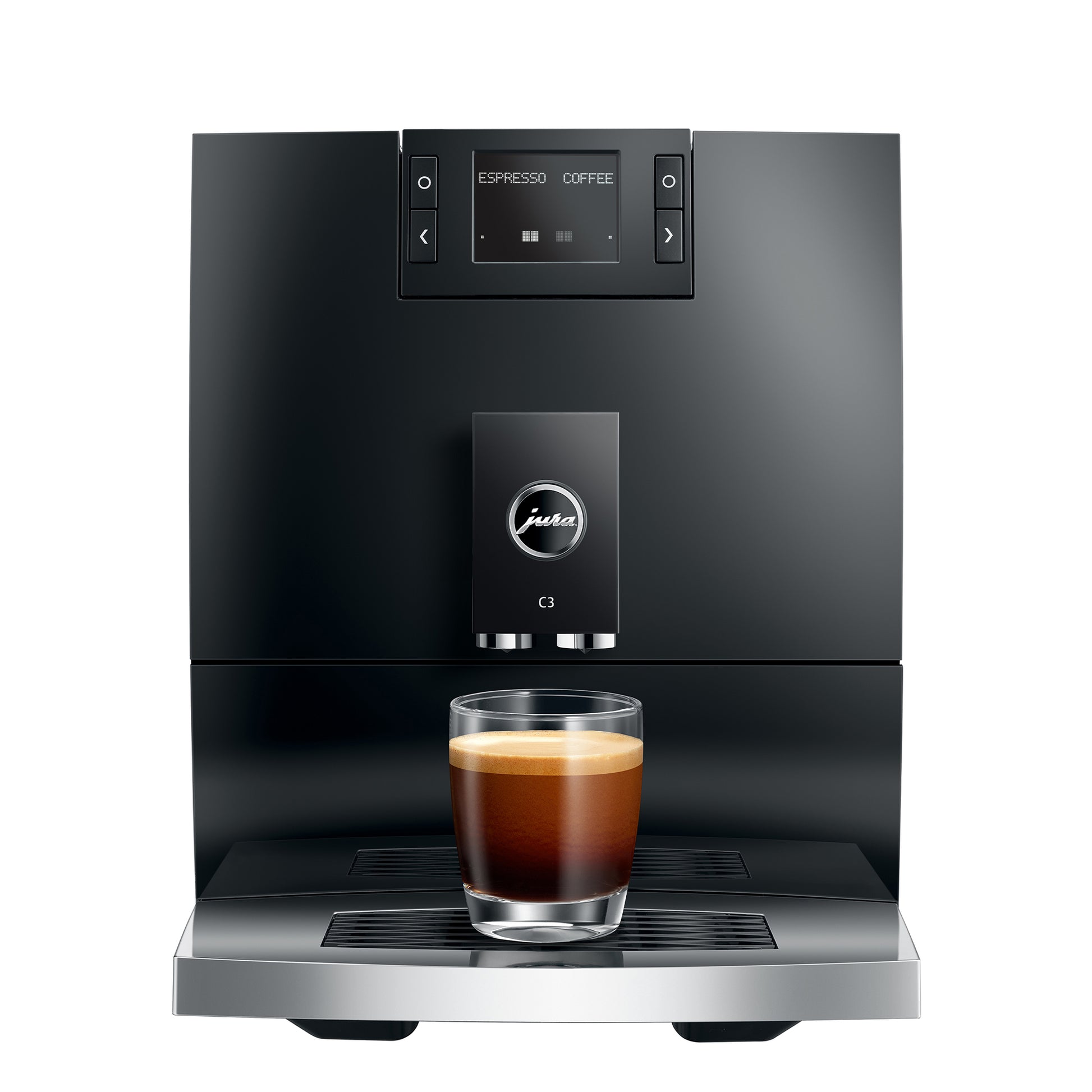
Quick answer: Buy the Jura C3 if you drink black coffee every day, want the aroma of beans ground seconds before brewing, and expect to keep the machine for years. Keep the Nespresso if you make only a few cups a week, prize a tiny footprint, or want almost no cleanup. Neither has an integrated milk system, so this is a cleaner comparison than putting Nespresso against a full one-touch latte machine.
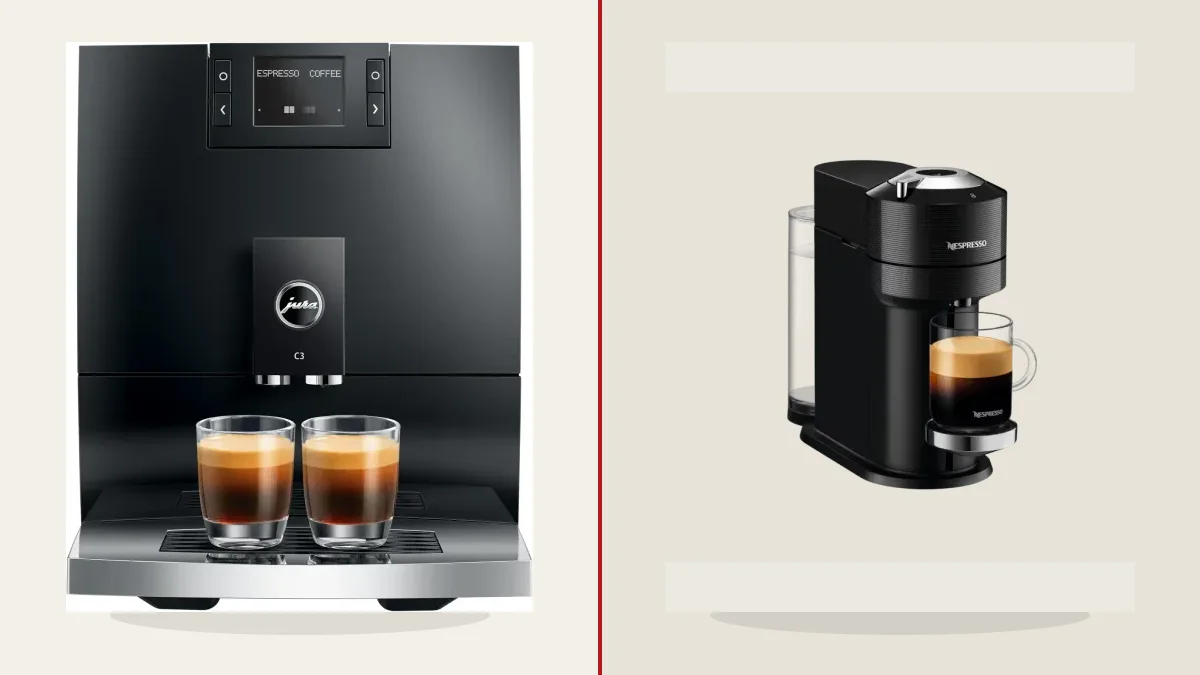
The Difference You Taste: Fresh Beans vs Capsules
The C3 grinds a measured dose for every drink. That lets you change the beans, strength, water volume and grind setting. A Vertuo capsule is consistent by design, but its dose and recipe are fixed by the capsule. Nespresso is impressively repeatable; the C3 gives you a higher flavor ceiling and more control.
That advantage matters most with straight espresso and coffee. Fresh grinding preserves more of the aroma you smell when opening a good bag. The C3 also lets you move from a chocolate-heavy medium roast to a brighter single origin without buying into a proprietary capsule format.
The tradeoff is dialing in. A C3 may need two or three cups after a bean change before you settle on strength and grind. Nespresso asks only that you insert a pod.
Three-Year Cost
The machine price makes Nespresso the obvious year-one winner. Consumables gradually reverse the comparison. A capsule is one drink; a bag of beans supplies many. At two cups daily, even a modest per-cup difference compounds over 1,095 drinks in three years.
Interactive Tool
Jura C3 vs Nespresso: total ownership cost
Your Habit
Your Prices
| Total Cost | Jura C3 | Nespresso Vertuo | Difference |
|---|---|---|---|
| After 1 year | $1,398 | $4,180 | Jura C3 saves $2,782 |
| After 3 years | $2,195 | $12,240 | Jura C3 saves $10,045 |
| After 5 years | $2,993 | $20,300 | Jura C3 saves $17,307 |
Break-Even
How the math works (no black box)
- Jura C3 running cost per year = total daily drinks × 365 × bean cost per drink (bean price per lb × 12g ÷ 454g) + milk drinks/day × 365 × milk cost per drink + $90/year care products.
- Nespresso Vertuo running cost (espresso/milk drinks) = those drinks/day × 365 × the cafe/fallback price, since Nespresso Vertuo can't make them itself. That price is treated as already including milk.
- Milk cost per drink = 6 oz of milk × milk price per gallon ÷ 128 oz.
- Total after N years = machine price + N × yearly running cost. Machine resale value and (except where noted) electricity are ignored on both sides.
- Break-even = the point where cumulative spend on both sides is equal, based on the price and running-cost gap between them.
- Every default is editable. Bean-to-drink and pod-to-drink ratios are our own stated assumptions, not user-editable fields, to keep the tool simple - sources for machine and consumable prices are listed at the end of this article.
Treat the default figures as a starting point, not a quote. Promotions, capsule size, bean dose, filters and local prices all change the answer. The strongest economic case for the C3 is a household making two or more drinks every day and keeping the machine well beyond the break-even point.
Maintenance and Waste
Nespresso wins the five-minute test: eject the capsule, empty the bin and rinse occasionally. The C3 rinses itself, but you must empty wet grounds and the drip tray, replace or manage the water filter, and run cleaning and descaling programs when prompted.
The C3 has no milk circuit, which removes the messiest daily job found on larger Jura models. Its spent grounds can be composted where local rules allow. Nespresso capsules are compact and clean, but recycling requires collecting and returning them through the program available in your area.
What the C3 asks you to do
Day to day, empty the drip tray and grounds container before they overflow, refill the water tank and keep the bean hopper dry. The machine prompts for its automated coffee-system cleaning cycle. If you use a compatible filter and configure water hardness correctly, the machine determines when filter or descaling attention is due.
None of those jobs is difficult, but they are more involved than ejecting a capsule. The important distinction is frequency: tray and grounds work happens every few days in a two-drink household, while tablet cleaning and water treatment are periodic. Buyers sometimes see the longer maintenance list and assume every item is daily.
What Nespresso asks you to do
Empty the used-capsule container, rinse the drip tray, refill the tank and descale when needed. There is no loose coffee path to dial in. On the other hand, every cup creates a capsule to store or discard, and you must keep the correct capsule sizes in stock.
If you regularly switch between decaf and caffeinated coffee, Nespresso has a real workflow advantage: change capsules with every cup. The C3 has one bean hopper. Switching beans means emptying the hopper or using the bypass chute for an occasional pre-ground dose, if supported by your exact version and manual.
Counter Space and Workflow
Both machines suit a no-milk drinker, but a compact Vertuo is easier to place and move. The C3 needs room to lift the water tank and bean-hopper lid and space in front to pull out its drip tray. Measure those service clearances, not only the published footprint.
The C3 workflow is still simple: wake it, select a drink, and empty containers when prompted. It is not as instant as dropping in a capsule, but it avoids choosing, storing and reordering multiple capsule sleeves.
Noise is worth considering too. The C3 must grind before every cup, producing a short burst of grinder noise. A capsule machine avoids bean grinding but still runs a pump and, in the Vertuo family’s case, its extraction mechanism. Neither is silent; the Jura’s most noticeable sound happens before brewing.
Drink Choice: Do Not Pay for Features You Will Not Use
The C3 is intentionally narrow. It is for espresso and black-coffee variations, not one-touch cappuccino. That makes it unusually relevant to a Nespresso owner who has never attached an Aeroccino or added milk. Moving to a larger Jura for a milk system that sits unused adds purchase cost, cleaning parts and counter clutter without improving the core decision.
Nespresso offers a wider catalog of capsule flavors and cup sizes with no dialing in. Seasonal capsules are convenient, and a Vertuo can move from espresso-sized drinks to larger coffee formats by reading the capsule. The C3 approaches variety through beans, strength and water volume. It cannot reproduce a flavored capsule unless the flavor comes from the beans or is added to the cup.
For an americano-style drink, let the C3 make a short coffee and add hot water rather than pushing too much water through one puck. That retains more strength. For a larger Nespresso drink, the capsule barcode controls the recipe, which is easier but less adjustable.
Coffee Quality Depends on the Beans
Buying a C3 does not guarantee excellent coffee on day one. Old, very oily or unsuitable beans can taste flat and may feed poorly. Start with a fresh medium roast whose bag has a roast date, then adjust one variable at a time. Keep drink volume constant while changing aroma strength; change the grinder by one step only and follow the manual about when adjustment is allowed.
Nespresso removes most of this learning curve. Its sealed system makes cup-to-cup consistency the product. If you dislike experimenting, that constraint can be a benefit. If you enjoy finding a local roaster and tuning a recipe, it becomes the reason to leave capsules.
Reliability and Ownership Horizon
The cost case assumes you keep the C3 long enough to spread its purchase price across thousands of drinks. That means maintenance behavior matters more than a small difference in capsule price. Use the correct cleaning program, keep the grinder free of flavored or heavily oily beans, and address leaks or abnormal sounds early.
A Nespresso machine is cheaper to replace if it fails outside warranty. A Jura is more likely to justify professional repair because the machine value is higher. That is not automatically a disadvantage, but it changes the ownership mindset: one is closer to a replaceable appliance, while the other is a machine you maintain for a longer service life.
Before buying, compare warranty terms and service access in your location. Do not assume a long potential lifespan means every repair will be economical.
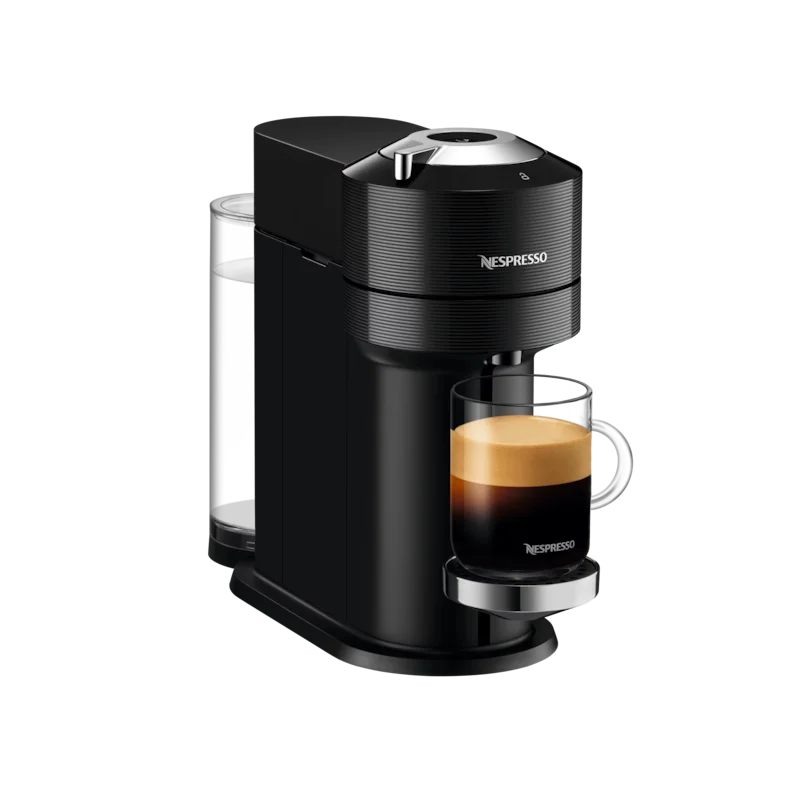
Who Should Buy Which?
Choose the Jura C3 if all four are true:
- You mostly drink espresso, coffee or americano without milk.
- You make at least one or two drinks most days.
- Fresh-bean aroma and recipe control matter to you.
- You accept routine tray, grounds, filter and tablet maintenance.
Choose Nespresso if any of these dominates:
- The lowest upfront price matters most.
- You drink coffee irregularly and value capsules staying sealed.
- You want the smallest possible appliance.
- You do not want to learn grind or strength settings.
A Simple Break-Even Test
Use three numbers: drinks per day, capsule cost and the price of the beans you actually buy. A one-cup household using inexpensive capsules may never recover the C3 premium during its intended ownership period. A three-cup household using larger Vertuo capsules can close the gap much faster.
Then stress-test the result. Add annual care costs to the C3 and assume at least one paid repair over a long horizon. Add descaling and capsule recycling effort to Nespresso. If the C3 still wins within the number of years you honestly expect to keep it, the financial case is credible. If not, buy it for taste and control, not promised savings.
Common Questions Before Switching
Will C3 coffee taste like café espresso? It can produce a stronger, fresher and more adjustable cup than a capsule machine, but a superautomatic still prioritizes consistency and convenience over the manual control of a commercial-style espresso setup.
Can guests use it easily? Yes, once your main recipes are set. Explain the drink buttons and keep guests away from grinder adjustments. Nespresso remains more immediately obvious to a first-time user.
What about decaf? A single-hopper Jura is less convenient for frequent bean switching. Use the pre-ground option only as the machine manual allows, or choose one hopper’s beans based on what the household drinks most.
Do I need a separate milk frother? Only if you occasionally want milk drinks. A small standalone frother keeps the C3’s internal maintenance simple and may be more sensible than upgrading to a milk-equipped Jura.
Verdict
For the specific buyer leaving Nespresso because the coffee feels limited, the C3 is the more meaningful upgrade than a milk-equipped superautomatic. You pay for the grinder, brewing system and durability rather than a milk system you will not use. Nespresso remains the rational choice when convenience and low commitment matter more than fresh-bean flavor.
If you are undecided, count the capsules used during an ordinary month. Multiply that number by your real capsule cost, then run the calculator with the beans you would genuinely buy. Finally, ask whether you want to maintain one machine for years or keep the option to replace a lower-cost appliance. That simple audit is more useful than comparing headline prices alone.
The C3 is not a universal Nespresso replacement. It is a focused upgrade for a frequent black-coffee drinker. In that lane, its lack of milk hardware is a strength: fewer unused parts, a direct workflow and more of the purchase price devoted to fresh grinding and brewing.