Your Jura can make great coffee out of the box, but a few adjustments can take it from good to exceptional. This guide covers bean selection, grind settings, strength tuning, and brewing tips for every drink type your machine offers.
The Three Variables That Matter
Every cup of coffee from your Jura is determined by three things:
- Beans - The variety, roast level, and freshness of your coffee beans
- Grind - How fine or coarse the built-in grinder processes the beans
- Settings - The strength, volume, and temperature you choose on the machine
Getting all three right is what separates a decent cup from an excellent one.
Bean Selection
Super-automatic machines work best with medium to medium-dark roast beans. Here is why:
- Light roasts are harder to extract in a super-automatic. They often taste sour or underdeveloped because the machine’s brew time is short.
- Medium roasts are the sweet spot - balanced flavor, good crema, and clean extraction.
- Dark roasts work but can taste bitter. Very dark, oily beans can also clog the grinder over time.
Avoid beans labeled “espresso roast” that are visibly oily on the surface. The oil gums up the grinder mechanism. Look for beans that are dry to the touch.
For specific recommendations, see our best beans for Jura machines.
Top Bean Pick
Medium-roast whole bean espresso, fresh and dry - optimized for Jura’s Aroma G3 grinder. Consistent crema, balanced flavor.
Freshness Matters
Use beans within 2-4 weeks of roasting for the best flavor. After 4 weeks, flavors fade and crema diminishes. Buy in smaller quantities and store beans in an airtight container away from light and heat.
For storage tips, see our coffee storage guide.
Grind Settings
Your Jura’s grinder has multiple grind settings (typically 5-7 levels depending on the model). Here is how to adjust:
| Grind Setting | Best For | Result |
|---|---|---|
| Finer (1-2) | Ristretto, espresso | Stronger, more intense, thicker crema |
| Medium (3-4) | Standard espresso, cappuccino | Balanced flavor, good body |
| Coarser (5-7) | Lungo, Americano, cold brew | Lighter body, less bitterness |
Important: Only adjust the grind while the grinder is running. Turning the grind dial on a stationary grinder can damage the burrs.
After adjusting: It takes 2-3 cups for the new grind setting to fully take effect, because old grounds remain in the system.
For detailed grind optimization, see our espresso settings guide.
Drink-by-Drink Brewing Tips
Espresso
- Use the finest grind setting that does not produce bitterness
- Set strength to medium-high
- Standard volume: 25-35ml
- Look for thick, golden-brown crema
Cappuccino
- Start with a strong espresso base (reduce volume, increase strength)
- Use cold whole milk straight from the fridge for the best foam
- Jura’s fine-foam technology (E8, S8, Z10) produces the most consistent results
Latte
- Use a longer espresso shot (40-50ml) to stand up to the larger milk volume
- Reduce foam density if your model allows it - lattes have less foam than cappuccinos
Lungo
- Use a slightly coarser grind than espresso
- Volume: 80-120ml
- Reduce strength slightly to avoid over-extraction
Americano
- Brew a standard espresso, then add hot water to taste
- Alternatively, use the “hot water + espresso” program if your model has it
Cold Brew (Z10 Only)
- The Z10 uses cold extraction at lower pressure
- Use medium to coarse grind
- Results in a smooth, low-acidity cold coffee in about 3 minutes
Water Quality
Water makes up 98% of your espresso. Poor water quality produces poor coffee.
- Use filtered water. Install a CLARIS filter or use pre-filtered water.
- Avoid distilled water. Espresso needs some mineral content for proper extraction and flavor.
- Check your water hardness. Hard water needs more frequent descaling. See our descaling guide.
For more on water quality, see our water filtration guide.
Ready to Optimize?
See our espresso settings guide for model-specific dial-in tips, or check our bean recommendations for the best beans for your Jura.
Best Machine for Great Brewing Results
Jura E8 - Full Control, Excellent Extraction
Aroma G3 grinder with 6 settings, adjustable strength and temperature, P.E.P. for short drinks. Every brewing variable this guide covers is adjustable on the E8.
Check Jura E8 Price on Amazon →Back to all guides | See also: Milk frothing | Coffee beans | Reviews
Brewing Upgrades
Improve cup quality with better inputs and practical gear.
As an Amazon Associate, we earn from qualifying purchases at no extra cost to you.
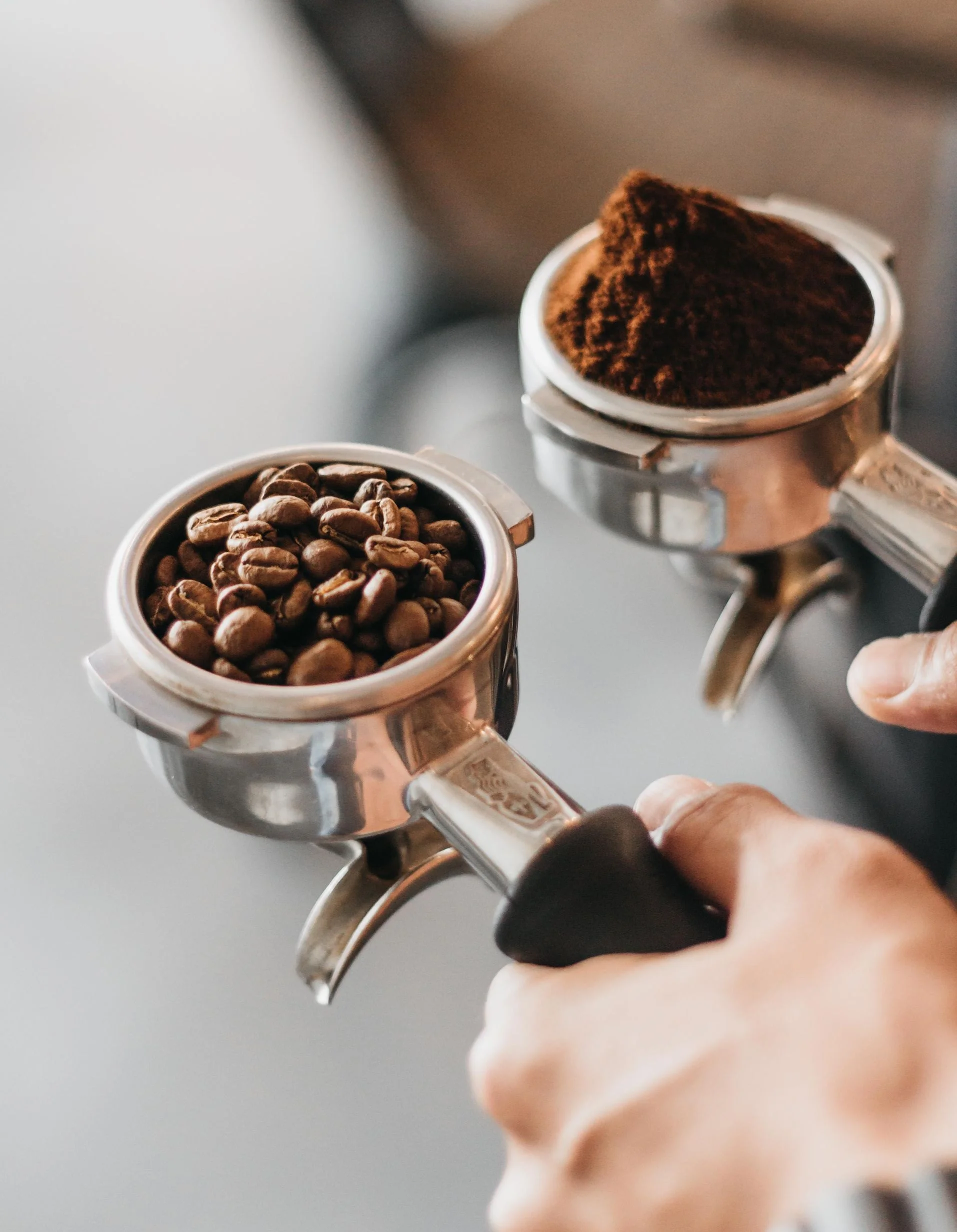
Whole Bean Coffee
Fresh beans are still the biggest lever for better flavor in-cup.
View on Amazon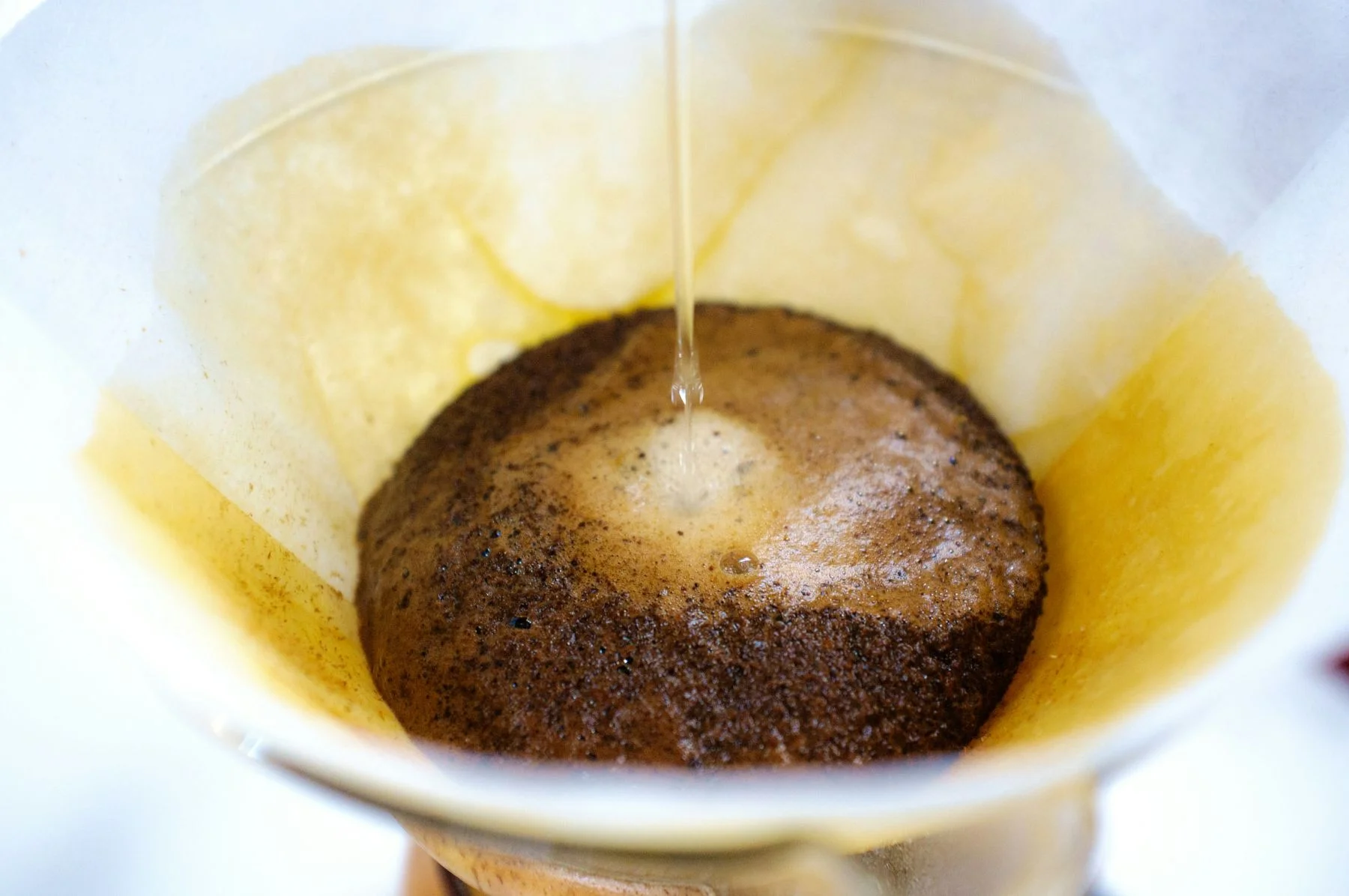
Brewing Water
Water chemistry heavily impacts extraction and flavor clarity.
View on Amazon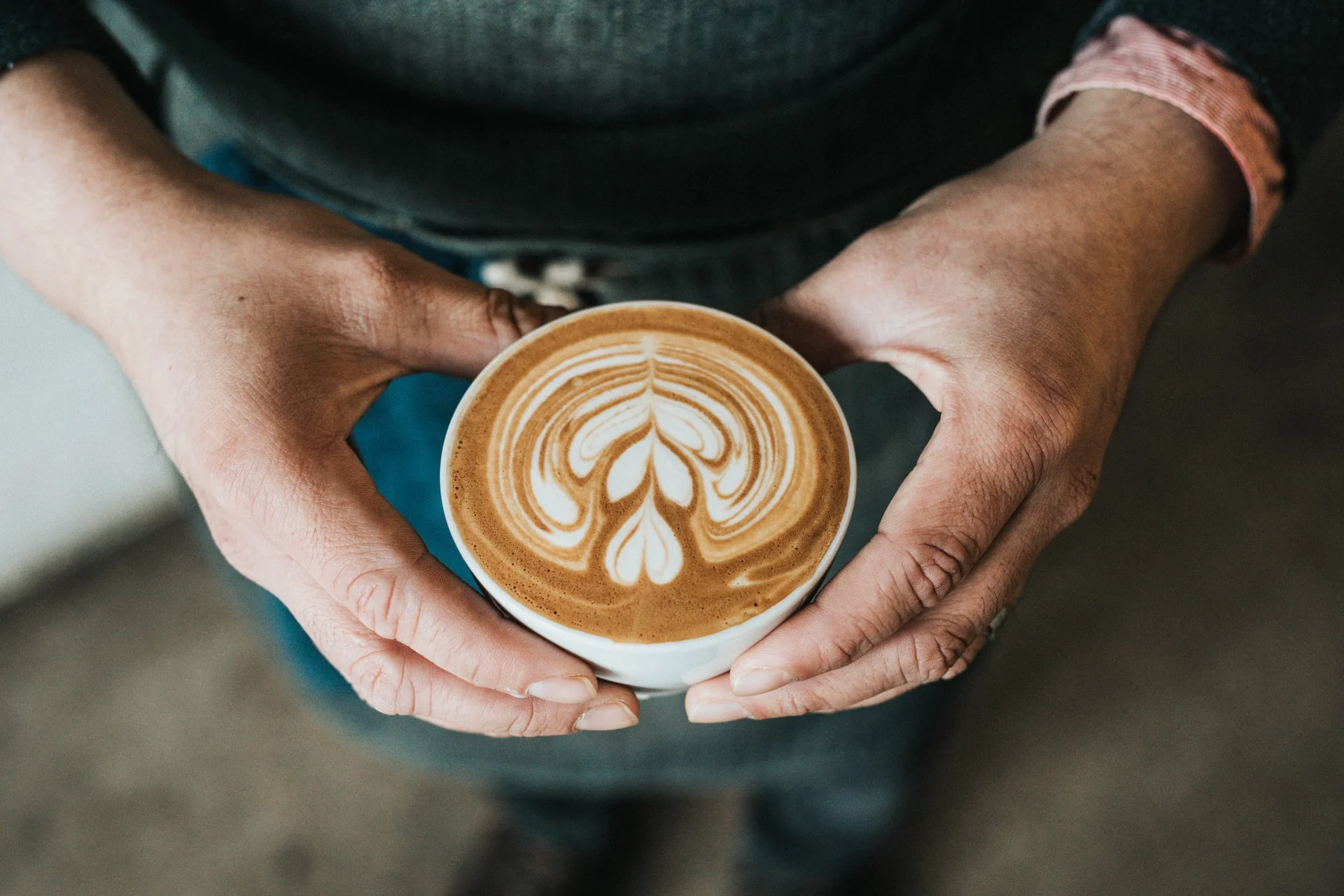
Coffee Brewing Gear
Useful accessories to improve repeatability and day-to-day workflow.
View on Amazon