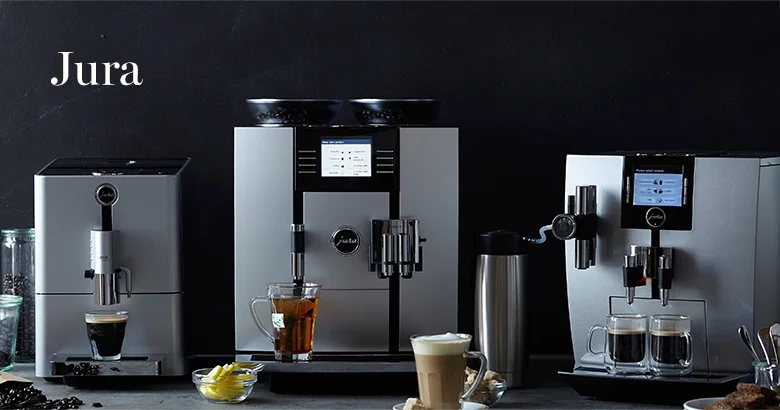
Not all Jura milk systems are equal. The ENA 4 and D6 use basic frothing. The E6 steps up to HP2 fine foam. The E8, S8, Z10, and J8 use HP3 - Jura’s best milk system, which produces cafe-quality microfoam at home. If you want to know what your machine is actually capable of, or you are deciding which model to buy based on milk drink quality, this guide covers everything: system tiers, mechanical differences, best milk types, settings by drink, and troubleshooting.
The Three Milk System Tiers
Every current Jura that makes milk drinks falls into one of these three categories:
| System | Models | Foam Texture | Bubble Size |
|---|---|---|---|
| Basic Frothing | ENA 4, D6 | Dense, coarse foam | Large - visible bubbles |
| HP2 Fine Foam | E6 | Smooth, creamy | Small - slightly glossy |
| HP3 Fine Foam | E8, S8, Z10, J8 | Silky microfoam | Very small - cafe quality |
Basic frothing works by drawing milk up a tube and blasting steam through it. You get foam - but it is thick, bubbly, and inconsistent. Fine for a simple cappuccino, less ideal if you want a flat white or latte macchiato with proper layering.
HP2 fine foam (E6) introduces a more controlled mixing chamber that produces smaller, more uniform bubbles. The result is noticeably smoother than basic frothing. The E6 is a meaningful step up for milk drinks.
HP3 fine foam (E8, S8, Z10, J8) adds a second chamber to the process. More on that below.
HP3 Deep-Dive: How It Actually Works
HP3 stands for High-Performance Pump 3 - Jura’s top-tier milk system. The defining feature is a two-chamber mixing process.
Milk enters the first chamber, where it is aerated with precision-controlled air. The partially frothed milk then passes into a second chamber where it is homogenized - the bubbles are broken down to a uniform micro-size before the milk exits. The result is what baristas call microfoam: glossy, satiny, with a texture close to wet paint.
Why does this matter in practice?
- Cappuccino needs stiff foam with body. HP3 produces foam dense enough to sit on top of the espresso cleanly.
- Latte needs a gentler foam with more liquid milk underneath. HP3 lets you dial down foam density to get a layered result.
- Flat white needs the thinnest possible foam - almost no distinct foam layer, just silky steamed milk. HP3 can produce this. Basic frothing cannot.
The texture difference is real and visible. If you make flat whites regularly, the HP3 system is the reason to choose an E8 over an E6. Read the full Jura E8 review for a complete breakdown.
Best Milk Types for Jura Machines
Foam quality is not just about the machine - the milk you use matters as much as the system frothing it. Here is a rundown of each type:
Whole milk (3.5% fat) - Best overall. Fat content gives foam structure and stability. Starts silky and holds its shape for minutes. If you want the best possible cappuccino from your Jura, use whole milk straight from the fridge.
2% (semi-skimmed) - Good. Foam is slightly thinner and collapses a little faster than whole milk. For latte and latte macchiato, this is often a good balance of richness and lightness.
Skim milk - Works, but different. Produces lots of volume quickly - more bubbles than whole milk - but they are less stable. Foam deflates within 30-60 seconds. If you like a big frothy cappuccino and drink it immediately, skim milk can work. For flat whites, it is not ideal.
Oat milk (barista edition) - Best plant-based option. Standard oat milk froths poorly. “Barista” versions (Oatly Barista, Califia Barista) contain added fat and stabilizers that allow frothing to within 80-90% of dairy quality. HP3 handles barista oat milk well.
Almond milk - Poorest foam. Very low protein and fat mean bubbles collapse almost immediately. If almond milk is your only option, use it - but do not expect latte art.
Soy milk - Variable. Results depend heavily on brand. Some soy milks curdle slightly with high heat. Use a soy milk specifically labeled for coffee if you go this route. Keep milk temperature at or below 65C when using soy.
Coconut milk (carton, not canned) - Passable. Produces thin but reasonably stable foam on HP3. The coconut flavor comes through in the drink, which is either a feature or a bug depending on your preference.
Key tip for all milk types: Always start cold. Milk at 4C straight from the fridge gives the heating system more time to work and produces better foam than milk that has been sitting on the counter. For more background, see our milk frothing tips guide.
Foam Settings by Drink (E8, S8, Z10)
On HP3 machines, you can adjust both foam density and milk temperature for each specialty. Here are the starting-point settings that work well for each drink type:
| Drink | Foam Density | Milk Temp | Notes |
|---|---|---|---|
| Cappuccino | Level 4-5 of 5 | 65C (149F) | High foam, thick cap |
| Latte | Level 2-3 of 5 | 62C (144F) | More liquid milk, light foam top |
| Flat White | Level 1-2 of 5 | 60C (140F) | Minimal foam, silky texture |
| Latte Macchiato | Level 3 of 5 | 65C (149F) | Milk first, then espresso poured through |
| Cortado | Level 1 of 5 | 58C (136F) | Equal parts espresso and steamed milk, very little foam |
These are starting points - dial them to your taste. The E8 and S8 let you save custom settings per specialty so your preferences are remembered next time.
Milk Temperature Guide
Jura machines default to around 60-65C (140-149F) for milk - close to the sweet spot most baristas target (60-65C). Here is what happens at different temperatures:
- Below 55C (131F): Milk feels warm but not hot. Foam is less stable. Some people prefer this for a latte if they find normal temp too hot.
- 60-65C (140-149F): Ideal range. Milk proteins are properly denatured for stable foam. Sweet, not scorched.
- Above 70C (158F): Milk starts to taste slightly cooked or flat. Foam quality drops. Long-term, high-temperature milk drinks also leave more protein deposits in the milk circuit.
- “Extra hot” setting (Z10, some premium models): Takes milk to around 70-73C. Use sparingly - it works for people who prefer very hot drinks, but it shortens the foam stability window and requires more frequent cleaning.
To adjust temperature on E8/S8/Z10: go to Settings - Milk Specialties - Milk Temperature and select your preferred level. Changes apply globally or per specialty depending on model.
Accessories: Milk Container vs Cool Control
Every Jura ships with a silicone tube. You drop it in your milk carton, glass, or any container. That is all you need to make great milk drinks.
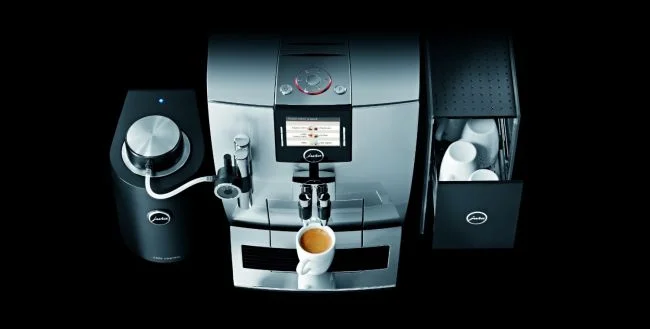
The Jura Cool Control (~$150-250) is a refrigerated stainless container that keeps milk at 4C all day. It does not improve foam quality - that is entirely determined by the machine’s frothing system. What it does is remove the need to fetch milk from the fridge for each drink.
Worth buying if: You make 3+ milk drinks throughout the day, multiple people use the machine at different times, or you want a clean, all-in-one countertop setup.
Not necessary if: You make 1-2 drinks in a single morning session and put the carton away after.
For a detailed breakdown of every container option and compatibility by model, see our Jura milk container guide.
Milk Circuit Cleaning
This is the part most owners underestimate. Milk residue builds up inside the frothing tubes and mixing chamber within hours. Even if your machine prompts you to rinse after every milk drink - and you should always accept that prompt - a rinse cycle only flushes the circuit with water. It does not remove milk protein and fat deposits.
Rinse cycle (after every milk session): Accept the machine’s prompt. Takes 30 seconds. This is non-negotiable for flavor and hygiene.
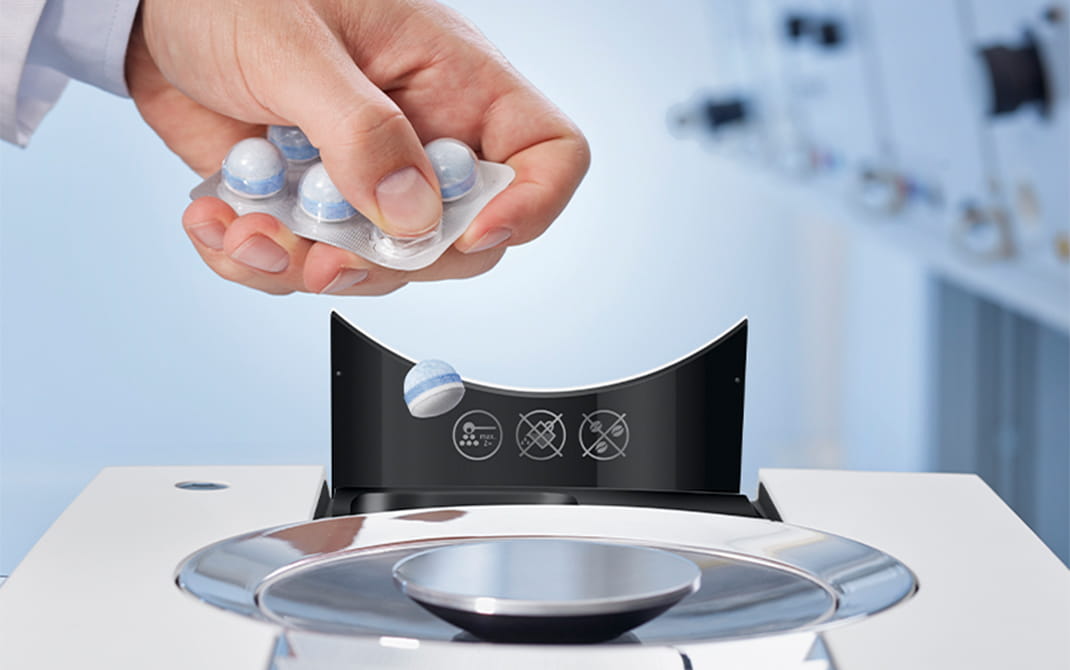
Cleaning cycle with milk system cleaner (weekly, or every 40 milk drinks): Uses Jura milk system cleaner tablets or liquid. The cleaning agent dissolves protein deposits that water cannot shift. Run this every 5-7 days if you make milk drinks daily.
What happens if you skip cleaning: The frothing tube narrows with residue, reducing milk draw. Foam becomes thin and inconsistent. The milk starts to taste slightly off. Eventually the tube needs to be replaced, or in severe cases, a service call is needed.
Protect Your Milk System
Jura Milk System Cleaner
Weekly cleaning removes protein buildup that daily rinsing misses. A clean milk circuit means consistent foam and better-tasting milk drinks every time.
Troubleshooting Milk Issues
Thin or Watery Foam
The most common complaint after the machine has been running for a few weeks.
- Run a milk system cleaning cycle with cleaner. Protein buildup is the leading cause.
- Check that the milk tube is fully submerged and not drawing air.
- Make sure you are using cold milk - room temperature milk froths poorly on any system.
No Foam at All
- Check the milk tube connection to the machine - it should click in firmly.
- Inspect the tube for kinks or blockages.
- Confirm the foam density setting is not at its minimum level (level 1 on some machines produces very light steam milk with no visible foam).
Large Bubbles (Coarse Foam)
- Run a cleaning cycle. Partial blockage in the mixing chamber can disrupt the two-stage process on HP3 systems.
- Check milk fat content - skim milk produces larger bubbles on all systems. Switch to 2% or whole milk.
- On E6 (HP2), some bubble size is expected - HP2 does not match HP3 microfoam quality.
Cold Milk Coming Out
- The milk temperature setting may have been reduced. Check Settings - Milk Temperature and restore to your preferred level.
- If temperature was correct and output is still cold, the steam system may need descaling. Mineral buildup in the steam circuit reduces heating performance.
Machine Not Drawing Milk
- Check the tube is not kinked or blocked.
- Confirm the tube connector is fully seated in the machine’s milk inlet.
- Try replacing the silicone tube - tubes degrade over time and lose suction.
- If the machine was recently cleaned with the wrong cleaner, residue may have blocked the inlet. Run a rinse cycle twice.
If your milk frother has stopped working entirely, see our in-depth guide on what to do if your milk frother stops working.
Should You Upgrade to an HP3 Machine?
If you currently own an E6 or a basic-frothing model and milk drinks are a daily ritual, the HP3 step-up is noticeable. The difference between HP2 (E6) and HP3 (E8) is real enough that if you care about flat whites or latte quality, it is worth the price gap.
HP3 Fine Foam - Best for Milk Drinks
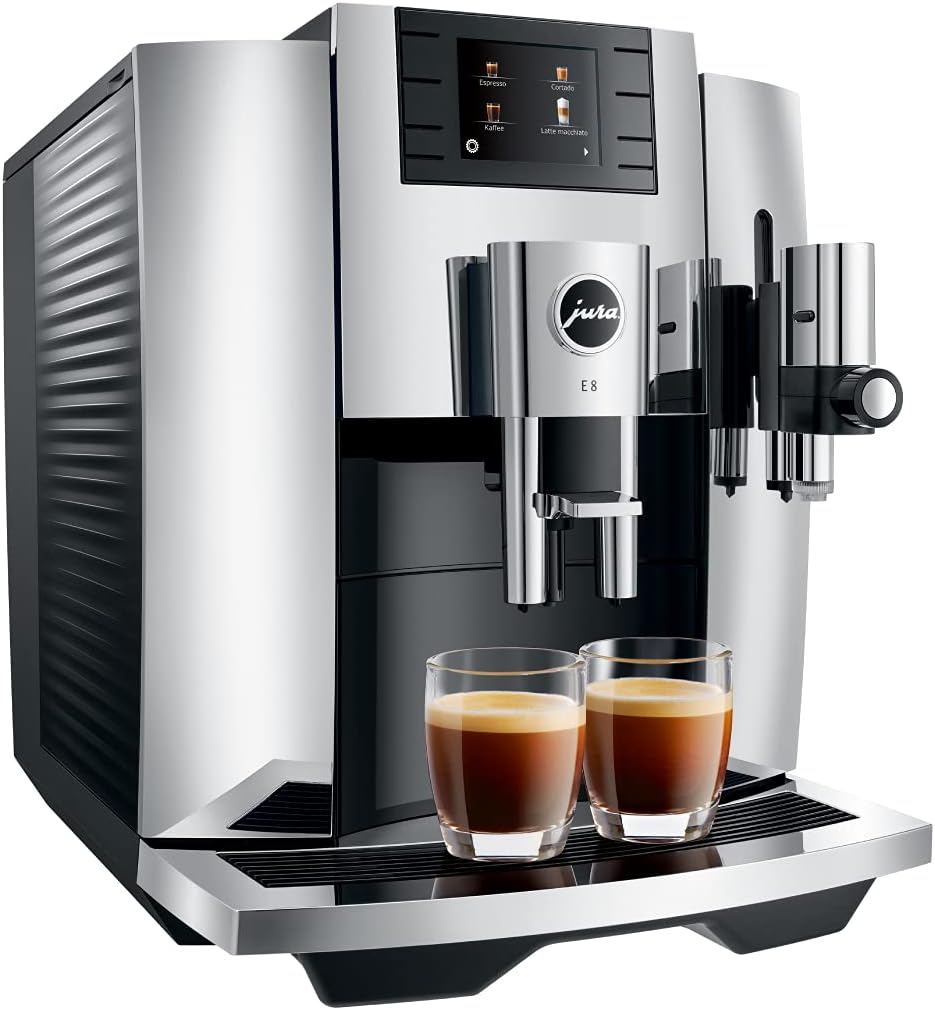
Jura E8 - 17 One-Touch Specialties
The E8 is the most popular HP3 machine for home use. Cappuccino, latte, flat white, and latte macchiato all at the touch of a button with cafe-quality microfoam.
Keep Your Water Quality High Too
Clean milk circuit and good milk type will only take you so far if your water is full of minerals. Hard water builds up in the steam system over time, reducing milk temperature and pressure. Jura recommends using a CLARIS filter at all times - it softens the water before it enters the boiler, reducing scale buildup in the steam circuit that heats your milk.
Protect Your Steam System
Jura CLARIS Water Filters
Scale in the steam boiler is one of the most common causes of degraded milk temperature and thin foam on machines that otherwise work fine. CLARIS filters slow this buildup significantly. See our guide to the best CLARIS filters for compatibility by model.
See Best CLARIS Filters →